Picking out a bottle sterilizer with a dryer in China isn’t just about scoping out the best price, checking the tank size, or being wowed by a fancy control panel. You really want a reliable machine that can handle cleaning, steam sterilization, drying, and safe storage all in one go. The WHO’s guidelines on preparing and storing powdered infant formula also give us a good tip — use water at least 70°C when mixing your baby's bottle. It’s a practical reminder that heat is important, but don’t forget, sterilizing stuff doesn’t replace good old cleaning.
The CDC also says caregivers should wash feeding items after every use and let them air dry completely. As Dr. William A. Rutala, a top infection prevention expert, puts it, “Cleaning means removing any foreign stuff from objects.” That really hits home here because a sterilizer can't do its job if there's milk residue lurking inside a teat or valve. And don’t overlook drying — if the cycle isn’t long enough, warm moisture can end up making the storage environment less-than-ideal.
There’s still lots of interest in automated baby feeding gear, especially according to Market Research firms. The Baby Feeding Bottles Market Report 2024 points out that hygiene, convenience, and busy parents’ lifestyles are key drivers. But just because the market’s growing doesn’t mean every product is top quality. Some claims sound really impressive but aren’t always backed by real measurements.
In our China-specific comparison, we’ll look at things like steam temperature, how well it dries, cycle lengths, safety of materials, noise levels, capacity, warranty support, and whether they have proper test documentation. We’ll check out both compact units for smaller kitchens and bigger models meant for daily heavy use — don’t just go by the fancy display!
A trustworthy bottle sterilizer and dryer should make your cleaning routine easier, not more confusing. Admittedly, choosing the right one can still be tough — that’s just part of it. The “best” choice really depends on how much you feed your baby, how much space you’ve got, and what you’re actually expecting from the machine.
What Is a Baby Bottle Sterilizer With Dryer?
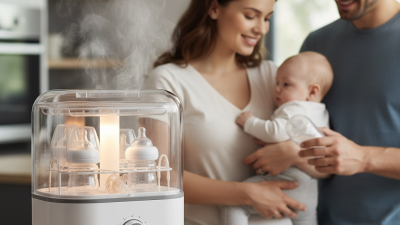
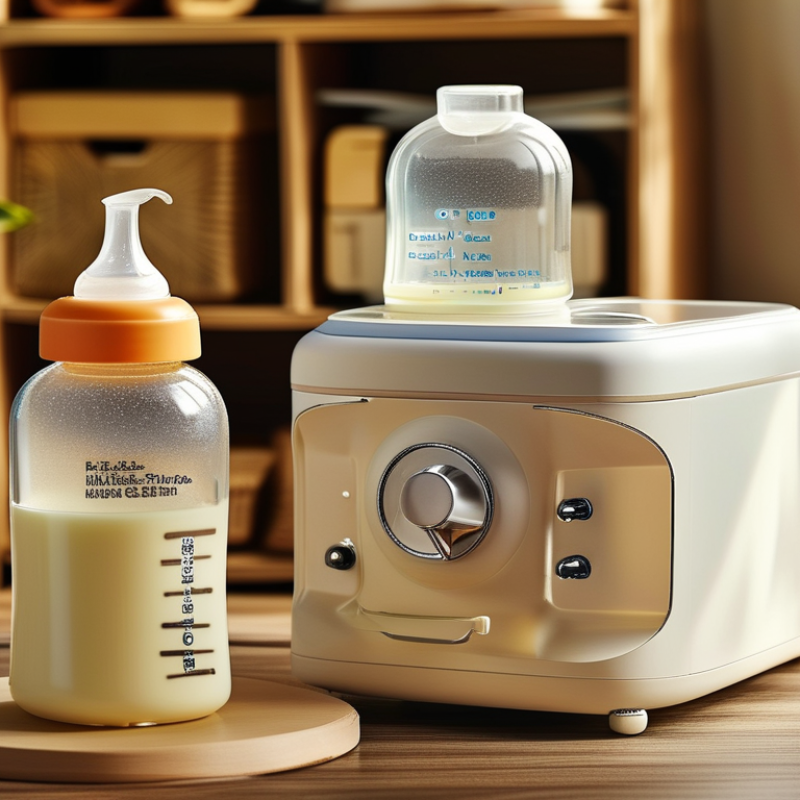
A baby bottle sterilizer and dryer is an appliance that uses heat, steam, or another controlled method to reduce microorganisms on washed feeding equipment. It usually holds bottles, nipples, caps, and small pump parts in a covered chamber. After sterilization, a drying cycle circulates warm air and removes moisture from narrow spaces.
Clean first. Sterilizing cannot remove milk film or dried formula. Place separated parts inside, leaving enough space for steam or air to move freely. A complete cycle may take 30 to 60 minutes, depending on the equipment and settings. Dry interiors matter because trapped water can encourage new microbial growth during storage. I prefer models with clear cycle indicators and automatic shutoff, especially during late-night preparation. Less guesswork helps.
Check the user manual before adding unusual materials. Some plastics may warp under high heat, while silicone parts can retain water in their folds. A filter may need regular replacement, and mineral deposits can reduce performance in hard-water areas. One detail is easy to overlook: a sterile item is not protected after touching a dirty countertop. Use clean hands and a covered storage area. I once assumed a longer cycle was always safer, but excessive heat may shorten the life of bottles and valves. Practical care requires balance.
How Bottle Sterilizers With Dryers Work
Many parents ask, “China Best Bottle Sterilizer With Dryer Which to Buy?” The working process matters more than appearance. A bottle dryer and sterilizer usually uses heated steam to reduce germs on bottles, nipples, caps, and pump parts. Steam reaches narrow surfaces that washing may miss. The unit then drains or vents moisture. Some models use warm, filtered air for drying. This helps prevent water droplets from remaining inside the bottle.
A complete cycle may last 30 to 60 minutes, depending on the design and load. Overfilling can block steam and slow drying. I have found that correctly placed parts dry more evenly. Still, no machine fixes poor washing. Remove milk residue with clean water and a suitable brush first. Also, “sterilized” claims can differ between products. Check the tested temperature, cycle time, and usage instructions. My own judgment is not perfect, so official testing details deserve attention.
Tips: Keep bottle openings facing downward. Leave space between small parts. Use clean hands after the cycle ends. If parts remain wet, run the drying function again. Inspect silicone nipples regularly for cracks, cloudiness, or trapped residue. Replace damaged pieces according to the maker’s guidance. Avoid mixing dirty and cleaned items inside the same basket. A dry bottle is not automatically a clean bottle.
China Best Bottle Sterilizer With Dryer: How Bottle Sterilizers With Dryers Work
A steam bottle sterilizer heats water to produce steam, holds the chamber near
100°C for sanitizing, and then uses warm filtered air to remove surface moisture.
The cycle below shows a representative temperature profile for a household
steam-sterilize-and-dry program; exact times and temperatures vary by model.
The heating stage raises the chamber temperature, the steam stage maintains a
high-temperature environment, and the drying stage uses lower-temperature airflow
to reduce residual moisture inside bottles and accessories.
Key Features to Compare Before Buying
Choosing a bottle sterilizer with dryer requires more than checking its price. Grand View Research estimated the global baby bottle sterilizer market at about USD 1.1 billion in 2023. It also projected growth of roughly 6.8% annually through 2030. That growth reflects rising demand for convenient hygiene equipment, not proof that every model performs equally well.
Compare the sterilizing method, cycle temperature, drying time, and internal capacity. Steam should reach all bottle surfaces, including narrow necks and teat openings. The CDC advises cleaning infant feeding items after every use and allowing them to air-dry completely. A built-in dryer can reduce handling after sterilization. Check whether it uses filtered air, because warm, unfiltered air may carry dust. Look for automatic shutoff and clear water-level markings. Small details matter.
Measure your daily routine. A larger chamber may hold eight bottles, but it can consume more water and counter space. Check whether parts fit without stacking tightly. Tight stacking can block steam and slow drying. Independent safety testing is valuable, especially for temperature control and electrical protection. The European Committee for Standardization reports that household appliance safety testing commonly examines overheating, insulation, and abnormal operation. Still, a certification label alone cannot replace regular cleaning. I would also question impressive “99.9%” claims unless the test method and organisms are clearly disclosed.
Top Types of Bottle Sterilizers Made in China
China’s bottle sterilizer market offers several practical types for different feeding routines. Steam sterilizers use heated water to create vapor inside a sealed chamber. They often sterilize bottles, nipples, caps, and small pump parts together. A drying cycle can reduce moisture trapped in narrow bottle necks.
Steam models with dryers are popular for home kitchens and nursery rooms. Look for adjustable racks, clear water-level markings, automatic shutoff, and a removable tray. Some units use warm air after steaming, while others add filtered airflow. The best bottle sterilizer and dryer should dry evenly, not merely warm the outside of each bottle.
UV sterilizers use ultraviolet light instead of water. They suit families that prefer a dry process and quick storage after cleaning. However, UV light cannot reach shaded surfaces, so correct loading matters. Combination steam-and-dry units provide stronger moisture control, but they may need more counter space. Microwave steam containers are compact and affordable, although they require a separate drying step.
When checking products made in China, examine material declarations, temperature records, electrical testing, and cleaning instructions. Ask how the manufacturer verifies cycle performance, not only whether a certificate exists. Real use can expose weaknesses. A crowded rack may block steam or airflow. I would test several bottle shapes before placing a large order. Small controls, quiet fans, and easy descaling often matter more than impressive capacity.
How to Choose the Right Model for Your Needs
Choosing the best bottle sterilizer with dryer depends on your daily routine, not just its advertised capacity. A compact model suits one infant and limited counter space. Larger households may need room for bottles, pump parts, and small accessories. Measure the counter carefully. Steam needs ventilation, and a cramped corner can make loading awkward.
Check the sterilization method, drying temperature, and cycle controls. Steam should reach all internal surfaces when bottles are placed correctly. A reliable dryer should remove visible moisture without overheating plastic components. Look for adjustable drying time, automatic shutoff, and clear water-level markings. Removable racks are useful because they simplify cleaning. I once chose a high-capacity unit that barely fit beneath my cabinet. It worked, but loading became frustrating.
Material quality also matters. Food-contact surfaces should be easy to wash and resistant to scale buildup. A stainless-steel heating plate often allows quicker inspection than a hidden plate. Read the care instructions before buying. Some models require frequent descaling, especially with hard water. Noise is easy to overlook. A quiet cycle is more comfortable during nighttime use. Check independent testing details, electrical safety information, warranty coverage, and replacement-part availability. Marketing claims can sound impressive. They are not always specific enough. My preference changed after comparing actual cycle times, drying results, and cleaning effort over several weeks.
Safety, Cleaning, and Maintenance Considerations
China Best Bottle Sterilizer With Dryer Which to Buy?
Safety, Cleaning, and Maintenance Considerations
Choosing a bottle sterilizer with a dryer requires more than comparing capacity. Safety begins with stable heating, automatic shutoff, and heat-resistant materials. A secure lid should close firmly without trapping your fingers. I also check whether steam can escape safely during opening. Hot vapor burns quickly. Keep the appliance away from children and the sink edge.
Cleaning performance depends on correct loading. Rinse milk residue before placing bottles inside. Separate caps, nipples, rings, and small valves. Crowded parts may block steam and leave damp areas. I prefer removable trays because they are easier to inspect. After drying, touch the thickest bottle section. It should feel dry, not merely warm.
Maintenance is often overlooked. Wipe the water reservoir after each use, then leave the lid open. Mineral deposits may collect around heating plates. Follow the manual’s descaling instructions and avoid abrasive tools. I once delayed cleaning and noticed a faint odor afterward. That mistake changed my routine. I now inspect seals, cords, and vents weekly. Replace damaged parts instead of improvising repairs. Drying can reduce moisture, but it does not remove dirt. Clean bottles still need careful washing before sterilization.
Wireless Outdoor Baby Bottle Warmers: China Supplier Guide Based on Grand View Research & Mordor Intelligence Reports
Wireless outdoor baby bottle warmers are becoming increasingly valuable for parents who need reliable feeding support during travel, commuting, camping, and other outdoor activities. Industry research indicates growing demand for portable infant-care products that combine convenience, energy efficiency, safety, and multifunctional performance. A well-designed warmer should provide stable temperature control, rapid heating, easy operation, and compatibility with common bottles and formula containers.
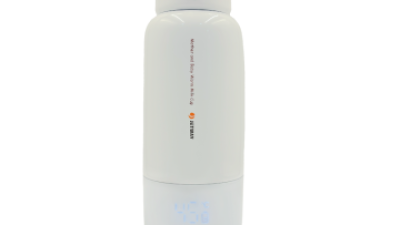
Our China-manufactured bottle warmer is developed for practical mobile use. It features a baby-grade 316 stainless steel inner tank for dependable hygiene, durability, and resistance to corrosion. Its compact structure is easy to carry, while USB heating supports use with suitable power banks, vehicle adapters, or other compatible power sources. Fast heating technology helps reduce preparation time, and precise temperature adjustment allows parents to warm milk or prepare formula according to individual feeding needs. The large-capacity design also supports hot-water storage for repeated use throughout the day.
As an experienced supplier, we offer OEM and ODM customization, including appearance, capacity, control settings, packaging, and functional configuration. Buyers can work directly with a professional factory team to coordinate product development, quality inspection, sample approval, and delivery. This one-stop service helps distributors, retailers, and childcare-product businesses create portable warming solutions suited to their target markets while maintaining consistent manufacturing standards.
FAQS
: It uses heat or steam to reduce microorganisms on washed feeding equipment. A drying cycle removes moisture from bottles, nipples, caps, and pump parts.
Yes. Sterilization cannot remove milk film or dried formula. Rinse and wash every part before placing it inside.
Separate bottles, nipples, rings, caps, and small valves. Leave space for steam and warm air to circulate. Crowded parts may remain damp.
Many cycles take about 30 to 60 minutes. The exact time depends on the equipment and selected setting.
Narrow spaces can trap water after sterilization. Dry interiors help reduce moisture during storage. Warm is not the same as dry.
Choose stable heating, automatic shutoff, and heat-resistant materials. A secure lid should close firmly. Keep the appliance away from children and sink edges.
No. Some plastics may warp under high heat. Silicone parts may retain water in folds. Check the manual before using unusual materials.
Wipe the water reservoir after each use and leave the lid open. Remove mineral deposits according to the manual. Avoid abrasive tools.
Use clean hands and a covered, clean storage area. A sterilized bottle can become contaminated on a dirty countertop.
Not always. Excessive heat may shorten the life of bottles and valves. I once assumed longer was safer. Balanced care matters.
Conclusion
A Bottle Sterilizer With Dryer is a practical baby-care appliance designed to sanitize feeding bottles and accessories, then remove moisture through heated air. It commonly uses steam to reduce germs and a drying cycle to help keep items clean and ready for use. When comparing models, consider capacity, sterilization and drying duration, temperature control, noise level, energy use, materials, and ease of operation. Some units are compact for daily home use, while others offer larger chambers, automatic programs, or flexible basket layouts for different bottle sizes.
Choosing the right model depends on your feeding routine, available counter space, and the number of items you need to process at once. Safety features such as automatic shutoff, overheat protection, secure lids, and heat-resistant components are important. Regular cleaning is also necessary: remove mineral buildup, empty leftover water, wipe internal surfaces, and allow all parts to dry fully. Following the product instructions helps maintain reliable performance and supports hygienic bottle care.