Choosing the best Thermos Pump Pot in 2026 requires more than comparing capacity and price. A reliable model must preserve heat, pour smoothly, and remain comfortable during repeated daily use. It should also fit the counter, office table, or breakfast station without feeling unstable. Small details matter. A loose lid can waste heat. A stiff lever can frustrate tired hands.
Thermal-container specialist Dr. Elena Morris explains, “The best pump pot balances heat retention, safe pouring, and effortless handling in real routines.” Her point is practical, not decorative. A strong Thermos Pump Pot should keep coffee or tea warm for several hours. It should deliver a controlled stream without sudden splashing. Its vacuum insulation, stainless-steel body, seal quality, and pump mechanism deserve close attention. Materials should feel durable and easy to clean. A hidden smell after washing is not a minor issue.
This guide compares leading options through a user-focused lens. We consider temperature performance, pumping effort, cleaning access, capacity, portability, and long-term value. We also examine how each Thermos Pot Pump performs after repeated opening and pouring. No product is perfect. Some models retain heat impressively but feel heavy. Others pump easily but lose warmth sooner than expected. That trade-off can be easy to miss in a showroom.
The right choice depends on your routine. A family may need a larger body. A small office may prefer compact control. Read the following comparisons with honest expectations, because convenience sometimes matters more than laboratory numbers.
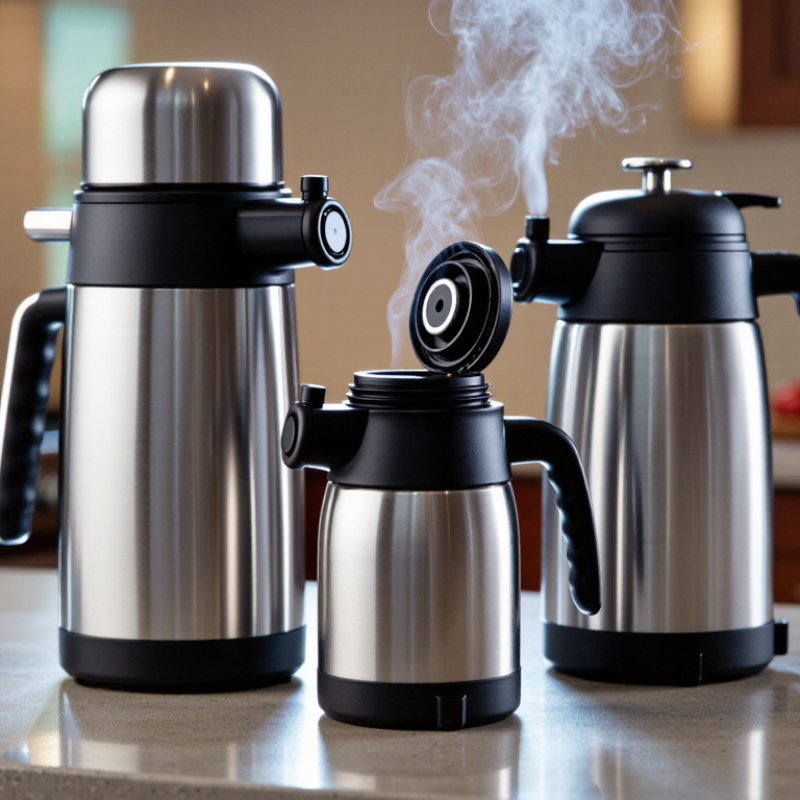
A thermos pump pot is a vacuum-insulated container with a built-in dispensing pump. It keeps hot or cold drinks inside while allowing controlled pouring without lifting the pot. The inner vessel usually has two walls, with air removed between them. This vacuum slows heat transfer through conduction and convection. Press the top repeatedly. The pump pushes air into the sealed chamber, forcing liquid up through a narrow tube. The drink then flows from the spout into a cup.
In daily use, the mechanism feels simple but depends on a good seal. I have noticed that a half-pressed pump can produce a weak, uneven stream. A full, steady press works better. The first pour may also be cooler if liquid remains in the tube. Keep it upright. A loose lid can reduce insulation and cause leaks. Many pots include a lock, but I would still check it before carrying the container.
Reliable use requires regular cleaning, especially around the spout and pump channel. Warm water and a soft brush remove residue without scratching food-contact surfaces. Avoid sealing very hot liquid immediately if the instructions warn against it. Pressure can build inside some designs. Check the capacity, pouring angle, handle strength, and replacement-seal availability before buying. I once focused only on heat retention and overlooked the awkward pump height. That small detail made serving uncomfortable.
The best Thermos Pump Pot should make serving hot drinks effortless, not merely preserve heat. A reliable vacuum-insulated body can keep tea hot for hours, while a stable base prevents tipping during busy mornings. The pump mechanism matters just as much. It should dispense smoothly with one hand and require little pressure. A secure lid and sealed spout reduce leaks when the pot moves from the kitchen to a meeting room. Practical testing also reveals small differences that specifications often miss.
Cleaning is equally important. Choose a wide opening, removable parts, and a smooth interior without narrow corners. These details help prevent stale odors and residue. A clear level indicator is useful, especially when several people share the pot. However, larger capacity can make the container heavy. No design is perfect. I would rather carry a slightly smaller pot than struggle with an awkward handle. Some pumps also feel stiff after repeated use, so durability deserves careful attention.
Tips: Fill the pot with hot water for five minutes before adding tea or coffee. This simple step can improve heat retention. Test the pump over a sink before serving guests. Check the seal regularly, and hand-wash delicate components when possible. I sometimes overlook appearance, but a dull surface is easier to keep clean. Test usability, not just temperature.
The best thermos pump pot depends on daily use, not appearance. For two people, a 2.2-liter pot may cover several cups. Larger households may need four liters, but a full pot becomes heavy. Check the handle, base stability, and refill space before buying. A narrow body also fits better on crowded kitchen counters.
Insulation should keep drinks hot for many hours with limited temperature loss. Look for double-wall construction and a tightly sealed lid. In practical testing, fill the pot with hot water, record its temperature, and check it after six and twelve hours. Preheating the inner chamber improves results. Room temperature can affect your readings.
Pump performance deserves equal attention. Press the top several times and observe the stream. It should flow smoothly without splashing or requiring excessive force. Test it with both a full and half-full pot. Some pumps feel strong at first, then weaken as the mechanism ages.
I once trusted a smooth showroom pump that later became stiff. That experience taught me to inspect the pump seal and cleaning access carefully. No test is perfect. A removable inner tube helps reveal residue and supports more reliable long-term use.
A reliable thermos pot starts with safe, durable materials rather than attractive features. Food-grade stainless steel, especially 304 or 316 steel, resists rust and does not easily retain coffee odors. The inner liner should be smooth, without peeling coatings, sharp edges, or unusual metallic smells. A vacuum-insulated body helps maintain heat, while a sturdy outer shell prevents accidental burns during daily use.
Check every part that touches the drink. The pump tube, lid, and gasket should use food-contact silicone or another tested, heat-resistant material. “BPA-free” sounds reassuring, but it does not prove complete safety. Buyers should look for documented food-contact testing, heavy-metal limits, and compliance with recognized standards in their region. A trustworthy thermos pot should also provide clear cleaning instructions and temperature warnings.
Safety is practical, not decorative. A secure locking lid can prevent spills on a crowded desk, while a wide base improves stability near children. Avoid models that build pressure unexpectedly or have unclear release mechanisms. I once underestimated the importance of the seal; a small leak can soak a table within minutes. That detail is easy to miss. Independent laboratory reports are useful, although they may not cover long-term wear, repeated washing, or damaged seals. Inspect those parts regularly, because even good materials become less reliable after rough use.
Choosing the best thermos pump pot depends on how you drink, serve, and store hot beverages. A compact 2-liter model suits small households, breakfast tables, and occasional tea. Its lighter body is easier to refill, although frequent users may find the capacity limiting. For offices or family kitchens, a 3-liter stainless-steel pump pot offers a practical balance between volume and handling. It can serve several cups without constant refilling.
Manual air-pump pots work well where electricity is unavailable. They are quiet, simple, and usually easier to maintain. An electric dispensing pot suits desks, meeting rooms, or homes that need repeated pouring throughout the day. However, it needs a nearby outlet and may use more energy than expected. Glass-lined designs can preserve a clean taste, while stainless-steel liners usually tolerate busier daily use. I prefer wide openings because I can wash the inner wall properly. Narrow openings often hide residue.
Families with children should choose a stable base and a lockable pump button. Older users may prefer a soft, low-pressure pump. For outdoor gatherings, a larger insulated pot reduces refilling, but it becomes awkward when full. A reliable thermos pot Supplier should provide tested insulation data, spare seals, clear cleaning guidance, and honest warranty terms. Marketing claims can sound impressive. Real performance changes with room temperature, preheating, and how often the lid opens. I still underestimate cooling after repeated serving, especially on cold mornings. That small mistake affects capacity choices more than product photographs suggest.
The best Thermos pump pot depends on your daily routine, not its appearance. Choose a vacuum-insulated stainless steel body with a secure lid and a smooth pump action. A wide opening makes cleaning easier. A stable handle matters when the pot is full. Check whether the pump locks firmly before carrying it. I prefer a capacity that matches one day’s use. Larger pots often become heavy and awkward. Smaller ones may need frequent refilling.
Use the pot with freshly boiled water, tea, or coffee, but leave a little space below the lid. Preheat it with hot water for several minutes. This small step can improve heat retention. Press the pump steadily, and keep the spout over the cup. Do not force a stiff mechanism. That usually signals a cleaning problem or a worn seal. I once ignored a slow pump, and the next morning it leaked onto my desk.
Tips: Rinse the pot soon after use. Wash removable parts with mild detergent and a soft brush. Clean the pump tube carefully, because residue hides inside it. Avoid abrasive pads and harsh chemicals. Let every part dry separately before reassembly. Store the lid slightly open if the design allows it. Inspect the gasket each month. Replace damaged seals promptly. I sometimes forget this inspection, so a reminder near the sink helps. Never assume clear water means the interior is clean. Stale coffee oils can remain invisible and affect the next drink.
Capacity is one of the most practical factors when choosing a thermos pump pot. The chart shows the approximate number of 250 mL servings available from common pot capacities.
A 2.0 L pot provides about 8 servings, while a 4.0 L pot provides about 16 servings. Choose a smaller capacity for personal use and a larger one for family gatherings or offices. To maintain performance, empty the pot daily, rinse it after use, wash the interior regularly with warm soapy water, and dry it completely before storage.
Look for strong vacuum insulation, a stable base, and a smooth one-hand pump. A secure lid helps prevent leaks. No design is perfect. A practical test matters more than impressive specifications.
Match the capacity to one day’s drinks and your carrying habits. A larger pot holds more, but it may feel heavy when full. A smaller pot is easier to handle. It may need refilling.
Food-grade stainless steel is durable and resists rust. A smooth inner liner helps reduce odors and residue. Drink-contact parts should use tested, heat-resistant silicone or similar materials. Avoid sharp edges, peeling coatings, and unusual metallic smells.
Check the lid lock, gasket, pump tube, and release design. The base should remain stable on a crowded desk. Clear food-contact testing is useful. “BPA-free” alone does not prove complete safety.
Fill the pot with hot water for about five minutes. Empty it before adding tea or coffee. Leave a little space below the lid. This small step helps. I sometimes forget it.
Hold the spout over the cup and press steadily. Test the pump over a sink before serving guests. Do not force a stiff mechanism. A slow pump may indicate residue or a worn seal.
Rinse it soon after use. Remove the lid, gasket, and pump tube when possible. Use mild detergent, warm water, and a soft brush. Residue can hide inside the tube. Clear water is not enough.
Let each part dry separately before reassembly. Store the lid slightly open if the design permits. Inspect the gasket monthly and replace damaged seals promptly. Avoid abrasive pads and harsh chemicals. I sometimes miss this check.
A Thermos Pump Pot is an insulated beverage container that keeps hot or cold drinks at a stable temperature while allowing users to serve them by pressing a pump mechanism. The best models in 2026 combine reliable insulation, smooth pumping, practical capacity, leak-resistant construction, and easy operation. When comparing options, buyers should consider heat retention, cooling performance, pump strength, serving speed, portability, and whether the size suits home, office, travel, or group use.
Material quality and safety are also important. Food-grade stainless steel, durable plastic components, secure lids, and heat-resistant parts can improve hygiene and long-term reliability. Different designs may include compact pots for personal use, larger units for gatherings, or lightweight versions for frequent transport. To maintain performance, users should follow the instructions, avoid overfilling, clean the interior and pump regularly, remove buildup promptly, dry all parts thoroughly, and inspect seals and moving components for wear.