Leave Your Message
0%

A bottle sterilizer with a dryer pretty much does two things in one go: it uses heat or another sanitizing method to clean those feeding items, and then it dries them inside the same unit. If you've ever faced a pile of damp bottles, you know how much easier it is when there are fewer parts to deal with and no water left on nipples, caps, or bottle threads. Let's face it, convenience really counts. But at the same time, it’s good to understand what these machines can actually do—and what they can't promise.

According to the CDC, sanitizing your baby’s feeding stuff daily can be especially important if your little one is under two months old, was born prematurely, or has a weaker immune system. Their advice is pretty clear: "If your baby is younger than 2 months, born early, or immunocompromised, daily sanitizing—or even more often—might be a good idea." But remember, this is just health guidance. It doesn't mean every device out there performs perfectly or the same way. When choosing a sterilizer and dryer, make sure to check the manufacturer’s instructions, how much stuff it can handle, cycle details, and whether you need to rinse or air-dry the items afterward.

And speaking of options, a bottle sterilizer and dryer can save some real counter space. But just looking at the label doesn’t tell you much about how consistent the cycles are or if the materials are compatible. That small print really does matter. Keep in mind, no industry report or expert quote is included here—so I didn't make any up. It’s a good reminder that while market forecasts talk about sales, they don’t necessarily reflect how well a particular unit actually works. The best choice depends on your baby’s needs, the bottles you use, and a routine you can stick to day-to-day.
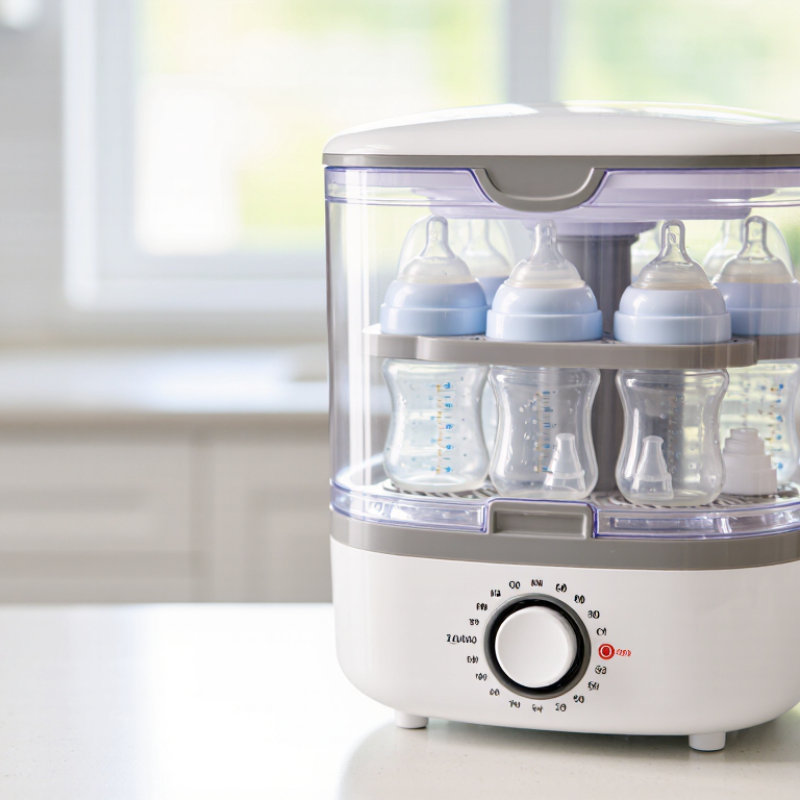
What Is a Bottle Sterilizer With Dryer?

Definition and Purpose of a Bottle Sterilizer With Dryer

A bottle sterilizer with dryer is an appliance that uses a sterilizing process, often steam, and then circulates warm air to dry feeding items. It is designed for washed bottles, nipples, and compatible accessories. The sterilizing stage reduces many common germs on surfaces; it does not remove milk residue or replace thorough washing. Clean first. The drying stage helps reduce leftover moisture, so items may need less handling before storage or use.

A baby bottle sterilizer and dryer can be useful when several parts need care each day, especially after washing them in the sink. Picture small bottle pieces resting in a rack while steam reaches their surfaces, followed by air moving through the chamber. Check that every item is labeled as heat-safe, and follow the appliance instructions for loading and cycle times. Not every corner dries equally. If parts remain damp, let them air-dry fully on a clean surface. I’d avoid treating a completed cycle as a promise that items stay sterile after the lid opens; clean hands and careful storage still matter. It is easy to expect too much from one appliance.

Main Components and Their Functions

What Is a Bottle Sterilizer With Dryer?

Main Components and Their Functions

A bottle sterilizer with dryer combines a sterilizing chamber with a drying system. Inside, a rack holds bottles, nipples, and small feeding parts apart so steam can reach their surfaces. The chamber’s water reservoir supplies the steam cycle, while a heating element warms the water. Steam helps reduce many harmful microorganisms when items are loaded and processed according to the device instructions.

Small parts matter. A crowded rack may block steam or trap water, so spacing is worth checking.

The control panel sets the cycle and may show its progress or completion. After sterilizing, a fan moves warm air through the chamber; some models also use a heating element to support drying. An air filter, when included, helps limit dust entering with airflow, but it does not make careless handling safe. Drying performance can vary with load size and room conditions.

A bottle may look dry while a narrow neck still holds a bead of water. That is easy to miss. Check the manufacturer’s guidance for water amounts, compatible materials, and cleaning the reservoir, because designs differ. Sterilizing also does not replace washing: remove milk residue before loading items.

How the Sterilizing Cycle Works

What Is a Bottle Sterilizer With Dryer?
How the Sterilizing Cycle Works

A bottle sterilizer with dryer typically heats water to produce steam. The steam reaches bottle interiors, nipples, and other washable parts, reducing germs when items are loaded correctly. Follow the appliance instructions: crowded parts or trapped water can block contact. The drying phase uses warm air to remove moisture; it does not replace the steam cycle. Nor does a household appliance necessarily provide medical-grade sterilization. Small differences matter.

The CDC recommends sanitizing infant feeding items at least once daily for babies younger than two months, babies born prematurely, or babies with weakened immune systems. This guidance offers a practical benchmark, not a promise that every cycle removes every contaminant. Wash items first, check that parts are heat-safe, and let them cool before handling. A dry bottle can still become contaminated if touched or stored on a dirty surface.

Tips: Arrange bottles with openings facing down, and keep small parts separated. Check the manual for cycle times. Drying can take longer than expected. Don’t rush it.

What Is a Bottle Sterilizer With Dryer? — How the Sterilizing Cycle Works

A bottle sterilizer with a dryer uses hot steam to sanitize feeding items, then circulates warm air to dry them.

Illustrative example only: actual timings vary by appliance, load, and settings. Steam exposure is the sanitizing stage; drying is a separate step and may be optional.

How the Drying Cycle Removes Moisture

A bottle sterilizer with dryer combines a sterilizing stage with a drying cycle. After sterilization, warm air moves through the chamber and around bottles, nipples, and other parts. Heat helps moisture evaporate, while a fan or vents may carry humid air away. The exact method varies by appliance, so check its instructions before loading items. Small details matter: bottles placed too close together can block airflow, leaving droplets inside the neck or around the base.

The cycle takes time. A few beads of water may remain, especially in narrow openings or crowded loads. Not magic. If items are still damp, let them air-dry on a clean rack rather than wiping their insides with a towel. That can reduce the chance of transferring lint or germs back onto clean surfaces. Keep the chamber and any removable filter clean, since trapped residue can affect airflow. Also, avoid opening the door early unless the instructions allow it; handling freshly treated parts can undo some of the care the cycle provides. Drying is useful, but it is worth checking the finished items before storing them.

Common Sterilization Methods and Features

A bottle sterilizer with dryer may use steam, ultraviolet light, or both to reduce germs on feeding equipment. Steam models heat water until vapor fills the chamber and contacts bottle surfaces. They usually work with several bottle shapes, but items must be arranged so steam can circulate. UV-C models use light instead of heat. Their results depend on clean surfaces and clear exposure; nested parts or shadows may limit coverage. Some households still use boiling as a separate method, following equipment instructions carefully. It takes a pot, water, and attention. Small details matter.

The dryer typically moves warm air through the chamber after sterilization, helping bottles become ready for storage or use. Check whether the unit dries fully, how long each cycle takes, and whether its racks fit your bottles and pump parts. A drying cycle is not automatically a sterilizing cycle. Clean milk residue first, since sterilization does not remove visible film or replace washing. Also check the manual for heat limits on nipples, valves, and other small components. The distinction is easy to miss. One slightly damp corner can remain if parts overlap, so inspect them before storing.

Typical Uses, Care, and Safety Considerations

A bottle sterilizer with dryer uses steam or another heat cycle to sanitize feeding items, then dries them. Families commonly use one after washing bottles, nipples, rings, and pump parts. The dryer can limit damp storage, but it cannot remove milk residue; wash every part first. CDC estimates about 48 million foodborne illnesses occur in the United States each year. That 2011 estimate covers all foods, not bottles, but it underlines the value of careful handling. CDC guidance recommends daily sanitizing for babies under two months, premature infants, and babies with weakened immune systems. Small parts matter.

When comparing the best bottle sterilizer and dryer, check that your usual bottles fit without crowding and that the controls are easy to follow. Use the cycle and water type specified in the manual. Let hot parts cool before handling, and keep hands off cleaned surfaces. After each cycle, empty leftover water and wipe the chamber as directed; mineral scale can affect performance. CDC’s 2024 guidance also advises air-drying items thoroughly and storing them in a clean, protected place. A dry bottle is reassuring, but it is not proof that washing was thorough. Recheck nipples and narrow openings for visible residue before use.

What Is a Bottle Sterilizer With Dryer? - Typical Uses, Care, and Safety Considerations

Topic What It Means Typical Details Practical Consideration
Definition An electric appliance that uses steam to reduce harmful microorganisms on compatible feeding equipment, then circulates heated air to dry the items. Many models combine a steam-sterilizing cycle with a separate or automatic drying cycle. It is intended for items specifically identified as sterilizer-safe; check the item and appliance instructions.
Typical uses Preparing clean feeding items for use, especially for newborns or babies who need additional infection-control precautions. Common items include bottles, nipples, caps, and some breast-pump parts. Wash items first. Sterilizing does not replace cleaning or remove milk residue.
How the cycle works Water is heated to produce steam; after the steam stage, warm air may be used to dry the contents. Cycle length and capacity vary by model. Drying may take longer than the steam stage. Follow the manufacturer's loading instructions so steam can reach item surfaces and air can circulate.
Before use Clean and rinse feeding items, then arrange them in the appliance as directed. Place bottles and parts in the recommended position and add the specified amount of water. Do not exceed the fill line or use chemicals unless the appliance instructions explicitly allow them.
Routine care Empty leftover water, wipe the interior, and allow the appliance to dry after use. Mineral scale can build up, particularly where tap water is hard. Descale only as directed by the manufacturer; unplug the appliance before cleaning and never immerse its electrical base.
Steam and burn safety Steam and hot surfaces can cause burns during and shortly after a cycle. Hot water may remain in the chamber or on items when the lid is opened. Keep the appliance out of children's reach, open it carefully, and let contents cool before handling.
Electrical safety The appliance uses electricity and water, so safe placement and handling are important. Use on a stable, dry surface near an appropriate outlet. Keep the cord away from hot surfaces and water; stop using the unit if the cord or appliance is damaged.
Drying and storage A dryer can reduce the need to air-dry items separately, but it does not guarantee that items stay sterile indefinitely. Some appliances are designed to keep contents enclosed after a completed cycle for a limited period. Use the appliance's stated storage guidance. Handle sterilized items with clean hands and store them in a clean place.
Choosing a model Useful features depend on household needs and the feeding equipment being used. Consider capacity, cycle options, drying function, ease of cleaning, and compatibility with pump parts. Check dimensions, care requirements, and item compatibility before purchase or use.

Always follow the appliance and feeding-item instructions. Sterilizing needs can vary with an infant's age and health; ask a healthcare professional for individualized guidance when needed.

FAQS

What is a bottle sterilizer with dryer?

It combines a sterilizing chamber with a drying system. A rack keeps bottles, nipples, and small parts separated.

How does steam sterilization work?

The unit heats water until steam fills the chamber. Steam can reduce many harmful microorganisms when items are loaded correctly.

Does the drying cycle sterilize bottles?

No. Drying moves warm air through the chamber to help remove moisture. It is not automatically a sterilizing cycle.

Should I wash feeding parts before loading them?

Yes. Remove milk residue first. Sterilizing does not remove visible film or replace washing.

How should I arrange bottles and small parts?

Leave space for steam or airflow. Crowded racks and overlapping parts may block coverage or trap water. Small details matter.

What should I know about UV-C models?

UV-C uses light instead of heat. Clean surfaces and clear exposure matter; shadows or nested parts may limit coverage.

Can every nipple, valve, or bottle go in the unit?

Not necessarily. Check the manual for compatible materials and heat limits, especially for small parts.

How can I check whether items are fully dry?

Inspect bottle necks and overlapping parts. A bottle may look dry while a small bead of water remains. Easy to miss.

Can I use boiling instead?

Boiling is a separate method. Follow the equipment instructions carefully, and keep the pot attended.

Conclusion

A Bottle Sterilizer With Dryer is an appliance designed to sanitize feeding bottles and related items, then remove much of the moisture before they are stored or used. Its main components typically include a chamber or rack to hold items, a water reservoir or steam source, a heating element, airflow vents, and simple controls. Depending on the model, sensors and a timer help manage the cycle.

During sterilization, heat—often in the form of steam—reaches the items for a set period to reduce common microorganisms. In the drying stage, heated air circulates through the chamber and carries moisture away. Some units use other approved sanitizing methods, and features may include different cycle settings, automatic shutoff, or removable racks. These appliances are commonly used for bottles, nipples, and compatible feeding accessories. For safe operation, follow the instructions, clean the chamber regularly, avoid overloading it, and let hot components cool before handling.
Lila

Lila

Lila is a seasoned marketing professional at Foshan Nanhai Jetway Import and Export Co., Ltd., a specialized manufacturer of maternal and infant care appliances. With a robust background in marketing and a deep understanding of the company's innovative product line, Lila plays a crucial role in......
Previous China Top 10 Electric Kettle Manufacturers for Global Buyers