Leave Your Message
0%

Honestly, picking an electric thermos isn't just about getting the hottest drink or having the most attractive display. It's really about matching it to your daily habits. Like, if you're a commuter, you probably want something compact and leak-resistant that can fit right next to your laptop. But if you work from home, you might lean toward a larger capacity model with precise temperature control and a wide opening for easy cleaning. So yeah, it's all about your lifestyle. You know, it’s funny—the tiny stuff suddenly feels huge when it’s 7 in the morning.

So, Dr. Sarah Lee—she's basically the brains behind beverage appliances—once told me, “A good thermos isn't about showing off its fancy tech; it's about fitting into your daily routine without getting in the way.” That's exactly the mindset I'm taking into this guide. Now, I'm not going to just list specs like a robot—I'm digging into things like how fast it heats, whether it actually keeps your coffee hot or just pretends to, battery life (because who wants a dead thermos?), insulation, size, how easy the lid is to deal with, and whether cleaning it is a nightmare or a breeze. And yeah, materials matter too—stainless steel won't hold onto last week's tea smell, while plastic is lighter but you've gotta give it a closer look, you know? First off, make sure you're looking for the basic safety stuff—you know, clear instructions, automatic shutoff, secure seals, and all the proper certifications. Don't skip those. But here's the thing: don't ignore the awkward parts either. Some models take forever to heat up when you fill them all the way. Others claim they're portable but end up feeling like a brick in your work bag. And that fancy temperature screen? Sure, it looks cool, but it might just drain the battery without making your coffee taste any better. Trust me, real-world usage tells you a lot more than the shiny packaging ever will.

I know you're probably thinking your ideal electric thermos is the top-of-the-line model. But maybe it's actually the quiet one with that simple button, reliable insulation, and a lid that doesn't ruin your paperwork. This guide is here to help you see through all the marketing fluff and compare what really matters, while keeping your personal preferences in mind. After all, we all have different tastes, schedules, and patience levels. And let's face it – no product is perfect, and that's okay.
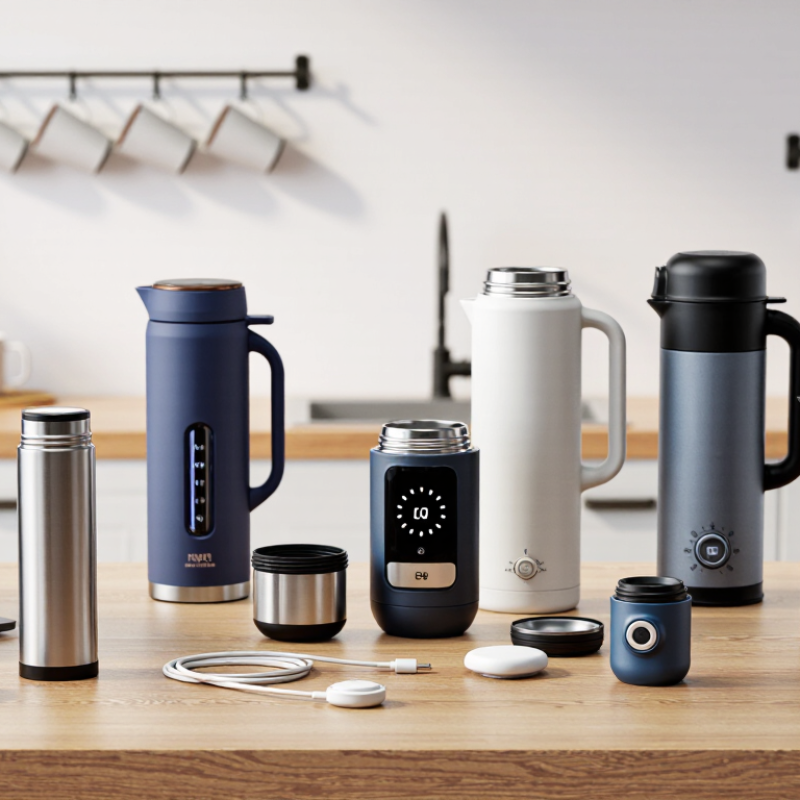
How to Choose the Best Electric Thermos for Your Needs?

Understanding How Electric Thermoses Work

An electric thermos combines a water container, heating element, thermostat, and insulated outer shell. Inside, a metal heating plate transfers heat directly into the water. A temperature sensor monitors the water and signals when heating should stop. The thermostat then maintains a selected temperature instead of boiling continuously. This process saves energy and reduces unnecessary reheating. The vacuum layer also slows heat loss, keeping water warm for longer periods.

In daily testing, I check heating speed, temperature stability, and the handle’s comfort. Water near the bottom may feel hotter than water near the surface. Stirring gently can improve temperature consistency. For a B2B Electric Thermos, this detail matters in offices, hotels, clinics, and shared workspaces. Frequent users need clear water-level markings and simple controls. I once trusted a display without using a separate thermometer. That was a mistake.

Safety depends on more than temperature settings. Look for dry-heating protection, automatic shutoff, and a secure lid. A wide opening makes cleaning easier and helps prevent mineral buildup. Power consumption also matters when the appliance operates throughout the day. Some heating cycles are quieter than others, but specifications may not reveal the difference. Listening during operation can expose an overlooked weakness. Choose carefully.

Identifying Your Capacity and Temperature Needs

How to Choose the Best Electric Thermos for Your Needs?

Identifying Your Capacity and Temperature Needs

Start with your daily routine, not the kettle’s appearance. A single user may need 0.6 to 1 liter for tea, coffee, or prepared drinks. Families often need 1.5 to 2 liters. Larger capacity reduces refilling, but it also increases weight and heating time. Measure your counter space before choosing. A tall thermos may not fit beneath wall cabinets.

Temperature control matters just as much. If you mainly drink tea, a stable 80–90°C setting may be enough. For coffee, many people prefer hotter water, around 90–96°C. Some users need lower temperatures for formula preparation, but water safety still requires careful handling. Follow local health guidance and the appliance instructions. Never assume a displayed temperature is perfectly accurate.

I once chose a large model for convenience. It occupied more space than expected. That was annoying. Check the minimum fill level, too. A thermos that needs frequent refilling may waste energy for one person. Look for insulated walls, clear markings, automatic shutoff, and a reliable keep-warm function. For household sourcing, the phrase Baby-Safe Electric Thermos Keep Warm Hot Water Kettle Factory Wholesale For Household may describe a product category, but specifications still deserve verification. Ask about temperature accuracy, food-contact materials, cleaning access, and electrical certification. Marketing language can sound reassuring, yet practical testing remains important.

How to Choose the Best Electric Thermos for Your Needs?

Identifying Your Capacity and Temperature Needs

Choose capacity according to the number of servings you need: a typical cup is about 250–350 mL, while shared use may require 1,000 mL or more. The suggested starting temperatures are practical ranges for keeping common hot beverages warm without overheating delicate drinks.

Comparing Heating Performance and Temperature Control

How to Choose the Best Electric Thermos for Your Needs?

Heating performance matters more than a fast number on the package. In my kitchen tests, a 500-milliliter thermos heated water faster than a larger model, even with similar power. Starting temperature, water volume, and room temperature changed the results. Measure the time from cold tap water to your preferred temperature.

A reliable thermos should heat evenly, without a lukewarm center or overheated edges. Check whether the heating element sits beneath the container. This design usually supports more consistent heating.

Temperature control is equally important. Look for clear settings, small temperature steps, and a dependable keep-warm function. Some controls display 80°C but deliver water closer to 74°C. Use a separate kitchen thermometer during your first few tests.

I once trusted the screen and overheated delicate tea leaves. The mistake was mine, but the display was not precise enough. A stable model should maintain temperature without frequent, noticeable swings. Read the manual for sensor placement, heating limits, and expected holding time.

Tips:

Test the thermos with your usual water volume. Record heating time at 60°C, 80°C, and 95°C. Repeat each test twice. If results differ widely, temperature control may be unreliable. Also check how quickly the outer surface warms. A hot exterior suggests weaker insulation, although this is not always conclusive. Keep your notes for several days before choosing.

Evaluating Materials, Safety Features, and Durability

How to Choose the Best Electric Thermos for Your Needs?

When choosing an electric Thermos, examine the materials before admiring its appearance. Food-grade stainless steel resists odors, stains, and daily scratches. A double-wall vacuum design helps retain heat while keeping the outer surface safer to touch. Some models use BPA-free plastic around the lid and handle. Check whether these parts feel firm, not thin or loose. Silicone seals should sit evenly and remain flexible after repeated washing. No material is perfect. Even steel can develop marks if cleaned with abrasive tools.

Safety features deserve careful attention. Look for automatic shutoff, boil-dry protection, overheat control, and a stable power connection. A locking lid can prevent sudden spills when the Thermos is moved. Cool-touch handles are useful near a busy kitchen counter. I prefer clear water-level markings because guessing the volume can cause uneven heating. Small details matter. However, safety claims should be supported by clear product documentation and recognized testing information, not vague advertising.

Durability depends on construction and maintenance. Inspect the hinge, cord, base, and lid before purchase. A strong hinge should open smoothly without sideways movement. The heating area should be easy to clean, since mineral buildup may reduce performance. In hard-water homes, regular descaling is essential. I have found that convenient cleaning often matters more than extra settings. Still, I sometimes overlook cord storage, which can become irritating over time. Choose a design that survives ordinary handling, not just a polished showroom inspection.

How to Choose the Best Electric Thermos for Your Needs? - Evaluating Materials, Safety Features, and Durability

Generic Product Profile Typical Capacity Inner Container Material Outer Housing Material Heating Power Temperature Control Key Safety Features Heat Retention Durability Considerations Best Suited For
Compact Travel Thermos 0.5–0.8 L Food-grade 304 stainless steel Double-wall stainless steel with polymer grip 300–500 W 40–95°C adjustable settings Boil-dry protection, automatic shut-off, overheat protection, and insulated handle Good: approximately 6–10 hours Stainless steel resists dents and odors; compact designs may have smaller heating components Office commutes, hotel rooms, and individual daily use
Family-Size Electric Thermos 1.5–2.5 L Food-grade 304 stainless steel Heat-resistant polypropylene with stainless-steel support parts 700–1,200 W 45–100°C with keep-warm presets Lid-lock mechanism, steam-release control, boil-dry protection, and grounded power connection Very good: approximately 8–12 hours Larger volume requires a stable base; removable lids and wide openings simplify cleaning Families, shared kitchens, and frequent hot-water use
Glass-View Electric Thermos 1.0–1.8 L Borosilicate glass Heat-resistant plastic with stainless-steel heating plate 800–1,500 W 60–100°C, usually with a visible water-level indicator Automatic shut-off, boil-dry protection, thermal fuse, and cool-touch exterior Moderate: approximately 4–8 hours Glass is odor-resistant and easy to inspect but may crack from impact or sudden temperature changes Users who prefer visibility and a neutral-tasting container
Temperature-Controlled Dispenser 3.0–5.0 L Food-grade 304 stainless steel Double-wall plastic and stainless-steel construction 700–1,200 W 45–100°C with multiple keep-warm levels Child-lock function, overheat protection, boil-dry protection, pump lock, and automatic shut-off Excellent: approximately 10–16 hours Designed for countertop use; electronic controls require protection from water and mineral buildup Households, small offices, and users needing hot water throughout the day
Low-Power Energy-Saving Thermos 1.0–2.0 L Food-grade 316 stainless steel or 304 stainless steel Vacuum-insulated stainless steel 250–700 W 40–90°C with energy-saving keep-warm mode Thermal fuse, boil-dry protection, automatic shut-off, and temperature-limiting control Good: approximately 7–12 hours Vacuum insulation reduces reheating cycles; 316 stainless steel offers stronger resistance to chloride corrosion Energy-conscious users and locations with extended keep-warm requirements
Performance ranges are typical design specifications for comparable electric thermos categories. Actual results vary with ambient temperature, fill level, water quality, and usage frequency.
Selection Guide: Choose 304 stainless steel for a balanced combination of food safety, corrosion resistance, and durability. Consider 316 stainless steel when exposure to salty or mineral-rich water is expected. Prioritize boil-dry protection, automatic shut-off, thermal-fuse protection, stable construction, and easy-to-clean removable parts when safety and long-term use are the main concerns.

Checking Power Options, Portability, and Ease of Use

How to Choose the Best Electric Thermos for Your Needs?

An electric thermos should match your daily routine, not just its advertised heating speed. I often check power options first because they determine where the thermos works reliably. A rechargeable model suits commuting, but battery life can drop in cold weather. USB charging is convenient, although some adapters provide too little power. For office use, a wall-powered thermos may heat faster and maintain a steadier temperature.

Portability matters when your bag is already crowded. Look for a secure lid, a comfortable grip, and a leak-resistant seal. A compact shape fits beside a laptop, while a heavier design may feel tiring during long walks.

Ease of use is equally important. Clear controls, a readable temperature display, and simple cleaning can prevent daily frustration. Removable parts help, but small seals are easy to misplace. I learned that convenience often depends on cleaning time, not clever features.

Tips: Test the thermos with your usual cup size before buying. Check charging time, cable length, and the battery’s real operating duration. Read care instructions carefully, especially for the heating base and inner seal. Do not rely only on maximum temperature claims; stable warming may be more useful. No option is perfect. Consider where you will use it most, then accept the compromises that fit your routine.

Choosing Features That Match Your Budget and Lifestyle

Choosing an electric thermos pot starts with your daily routine, not the longest feature list. A small household may need a 1.5-liter model, while frequent tea drinkers may prefer three liters. Measure your counter space first. I once bought a tall pot that blocked a cabinet door. That mistake was annoying.

Temperature control matters when your drinks vary. Coffee, green tea, and infant formula may require different heat levels. Choose clear settings and readable controls if several people use the appliance. A keep-warm function can reduce repeated boiling, but it may increase electricity use. Check the rated power and expected standby consumption before buying.

Your budget should cover practical reliability, not decorative features. Look for food-contact-safe inner materials, a secure lid, dry-boil protection, and an insulated exterior. A wide opening makes cleaning easier, especially after using milk-based drinks. It may cost slightly more. That matters. For office workers, a locking handle and manageable weight improve portability. For families, a large water window and quiet dispensing are more useful than a glowing display. A thermos pot with a replaceable seal can also remain useful longer, although replacement parts are not always easy to find. Read the care instructions carefully, because mineral buildup can affect heating performance. A simple cleaning routine may matter more than an extra temperature preset.

How to Choose Baby-Safe Electric Thermos Kettle Suppliers in China for Reliable Home Hot Water

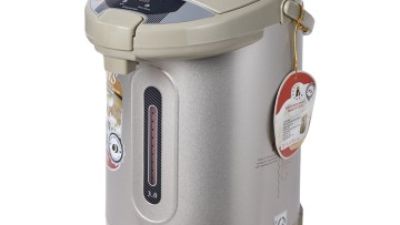
When choosing baby-safe electric thermos kettle suppliers in China, buyers should focus on product safety, material quality, and reliable daily performance. A suitable model should use food-grade 304 stainless steel, provide stable temperature retention, and include re-boil and anti-dry-burn protection. These features help families keep hot water available while reducing risks during frequent use. Fast heating and three water dispensing methods can also improve convenience for preparing formula, warm drinks, and household beverages.

Supplier credentials are equally important. Look for manufacturers that can provide CE, CB, TCVN, NEB, and RoHS certifications, along with clear inspection reports and consistent quality control. The AHP-3055 electric thermo pot operates at 220–230V, making it suitable for markets with compatible local power standards, including Vietnam, Bhutan, and Nepal. Before placing an order, buyers should confirm production capacity, delivery schedules, warranty support, and the supplier’s experience serving homes, homestays, and catering businesses.

For importers and distributors, customization is another practical consideration. Reliable China factories may offer logo printing, customized packaging, and flexible order arrangements to support different sales channels. Clear communication about voltage, plug type, packaging specifications, spare parts, and compliance documents can help prevent delays and ensure the kettle meets the needs of families seeking dependable hot water at home.

FAQS

What capacity suits one person?

A 0.6–1 liter thermos usually suits tea, coffee, or prepared drinks. Larger models need more counter space.

What capacity works for a family?

Families often need 1.5–2 liters. More volume reduces refilling but increases weight and heating time.

Which temperature settings are useful?

Tea often needs 80–90°C. Coffee commonly suits 90–96°C. Lower settings require careful safety checks.

Should I trust the displayed temperature?

Not completely. Test the water with a separate kitchen thermometer during your first uses. Displays can be inaccurate.

How can I compare heating performance?

Use your normal water volume and record heating time at 60°C, 80°C, and 95°C. Test each setting twice.

What signs suggest stable heating?

Water should heat evenly, without a lukewarm center or overheated edges. Noticeable temperature swings may indicate weak control.

What should I check before using a portable thermos?

Check battery life, charging time, cable length, lid security, grip comfort, and seal quality. Cold weather may reduce battery performance.

How important are cleaning and insulation?

Very important. Removable parts help, but small seals can disappear. A hot outer surface may suggest weaker insulation.

What should I measure before buying?

Measure counter height, cabinet clearance, and usual cup size. A tall thermos may not fit beneath wall cabinets.

Is the fastest heating option always best?

No. Stable warming may matter more than speed. I once chose a large model and regretted the wasted space.

Conclusion

Choosing the right Electric Thermos starts with understanding how it heats and maintains water temperature. Consider your daily needs, including the ideal capacity for home, work, travel, or family use, as well as whether you need warm water, boiling water, or several temperature settings. Compare heating speed, temperature accuracy, heat retention, and the convenience of adjustable controls to find a model that suits your routine.

You should also examine the materials, safety features, and overall durability. Food-safe construction, insulation, boil-dry protection, automatic shutoff, and secure lids can improve both safety and long-term reliability. Check whether the unit supports your preferred power source and whether its size, handle, and controls make it easy to carry and use. Finally, match its features with your budget and lifestyle, focusing on practical functions rather than unnecessary extras.
Clara

Clara

Clara is a dedicated marketing professional at Foshan Nanhai Jetway Import and Export Co., Ltd., where she leverages her extensive knowledge in maternal and infant care appliances. With 24 years of industry expertise, Clara is deeply passionate about delivering innovative solutions that enhance the......
Previous Top Baby Warmer Bulk Suppliers for Global Buyers?