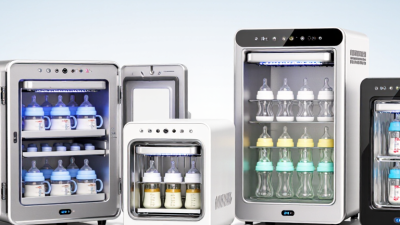
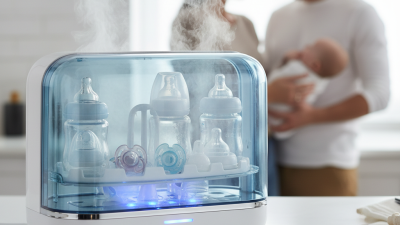
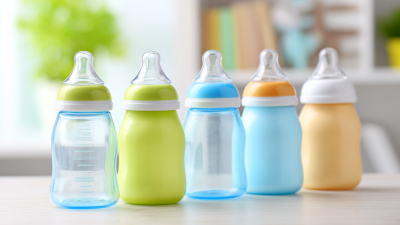
Picking the right Uvc Bottle Sterilizer isn't just about comparing prices or shiny pictures. You want a model that clearly explains how it works—stuff like the ultraviolet wavelength it uses, how long you need to expose bottles, its chamber design, and any real proof of performance. Don't just go for vague claims like 'kills everything'—look for real results from independent labs to back it up. And keep in mind, the word 'sterilizer' gets thrown around pretty loosely, so watch out for that.
When you’re actually using it, the shape of bottles can pose some hidden challenges. For example, milk residue should be rinsed off beforehand because UVC light can't clean dirt or mess from residues, and shady spots on bottles might not get enough exposure at all. Using a reflective chamber can help improve coverage, but it’s not a guarantee of perfect sterilization—no device is perfect, so it’s worth double-checking. Make sure it can handle different bottle sizes, dries bottles thoroughly, and keeps the UV light from shining out when you open the lid. Also, pay attention to the materials—stuff should be able to hold up after repeated heats, moisture, and UV exposure without cracking or smelling weird.
This guide is here to help you compare things like safety, how well it works, capacity, ease of maintenance, and everyday convenience. It’ll also cover noise levels, how long each cycle takes, power consumption, and whether replacement parts are easy to find. These details really matter, especially on busy mornings when there are several wet bottles just waiting next to the sink. Always favor solid evidence over flashy marketing—trustworthy brands provide clear instructions, honest info about their limits, warranty details, and helpful customer service. If the testing info isn’t available, stay cautious. Remember, the most expensive model isn’t necessarily your best choice. The right Uvc Bottle Sterilizer for you is one that fits your bottles, makes cleaning easier, and performs reliably under verified tests.
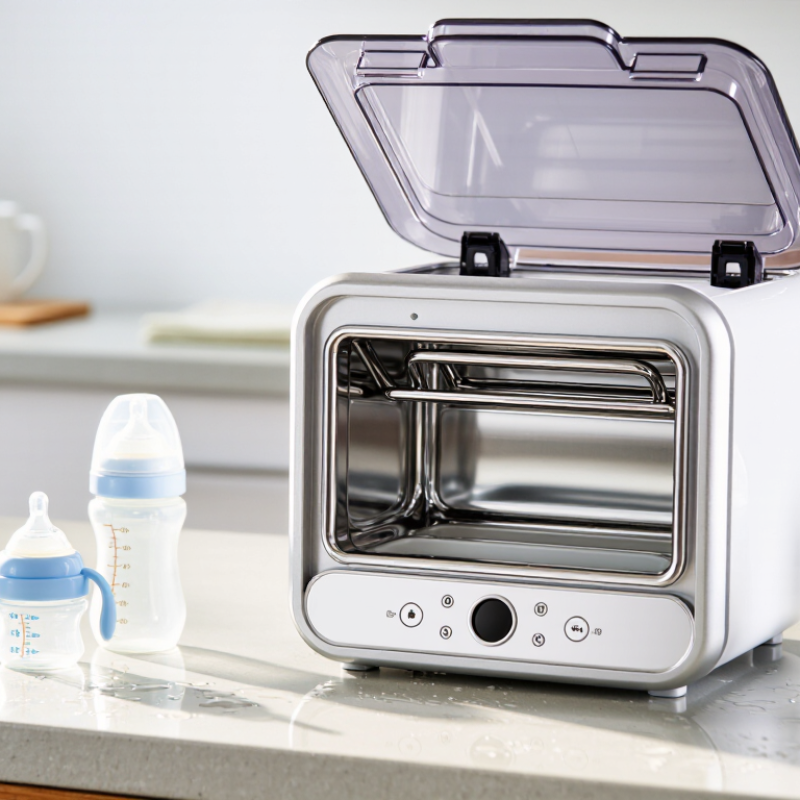
What Is a UVC Bottle Sterilizer and How Does It Work?
A Uvc Sterilizer uses ultraviolet-C light to reduce microorganisms on bottle surfaces. Most devices use UVC wavelengths between 200 and 280 nanometers. This energy can damage microbial DNA or RNA, stopping reproduction. The process is dry and usually leaves no chemical residue. However, “sterilizer” can be a broad marketing term. Household units may reduce germs rather than eliminate every organism.
Inside the chamber, lamps or LEDs expose bottles to a measured light dose. Direct exposure matters. Light needs access. Milk film, water drops, and cloudy plastic can block UVC energy. A clean, open bottle usually receives more reliable coverage than a tightly packed one. Some models add warm air, but heat and UVC perform different jobs. When choosing a Uvc Sterilizer, check the chamber design, cycle time, safety lock, lamp-life information, and independent test data. Be cautious when claims sound absolute. Real results depend on distance, shadows, surface cleanliness, and maintenance.
Tips: Wash bottles before UVC treatment. Dry them when the instructions require it. Keep reflective items away from exposed light. Never bypass the safety switch, and never look directly at an active UVC source. Recheck the manual after replacing parts. I would also record unusual odors, weak indicators, or incomplete cycles; small observations can reveal problems early.
Which Bottle Materials and Sizes Are Compatible?
Choosing a UVC bottle sterilizer starts with checking the bottle material, not its appearance. Clear glass usually allows UVC light to reach more surfaces. Some transparent plastics also work, but their light transmission can vary. Translucent, colored, or opaque bottles may block important wavelengths. Silicone parts, valves, and thick collars deserve extra attention because they can hide shaded areas.
Measure the bottle’s height, width, and mouth diameter before buying a device. A tall bottle may fit inside but still prevent the lid from closing correctly. Wide-neck bottles need enough chamber space around their rims. I once assumed a smaller bottle would sterilize faster, but its folded silicone nipple created a shadow. UVC needs direct exposure. It cannot reliably reach covered surfaces.
Wash bottles with detergent and water first. UVC is not a substitute for removing milk residue. Place bottles separately, with openings facing the light source when the instructions allow it. Check whether the device supports glass, food-grade plastic, and silicone components. Materials can age, cloud, or become scratched after repeated cleaning, reducing light exposure. For anyone searching “Sterilize Uvc”, the key question is practical: can every relevant surface receive the stated dose? Chamber design, exposure time, and safety interlocks matter more than a simple material label. Manufacturer testing details are useful, though they may not reflect every bottle shape.
How to Compare UVC Wavelength, Coverage, and Sterilization Power
How to Choose the Best UVC Bottle Sterilizer?
When comparing UVC bottle sterilizers, start with wavelength, not appearance. Germicidal UVC usually falls between 200 and 280 nanometers. Many devices operate near 254 nanometers, a range supported by long-standing disinfection research. Some newer systems use shorter wavelengths, but their real-world performance still depends on design, exposure time, and safety controls. Ask for measured output, not just a wavelength printed on the box.
Coverage matters because UVC travels mainly in straight lines. A bottle’s inner shoulder, cap threads, and cloudy areas may remain shaded. Reflective chambers can improve exposure, but they cannot remove every shadow. Look for an interior layout that keeps light close to the bottle surface. A rotating platform may help, although its benefit depends on actual testing. I would check whether testing covers the cap and bottle opening, not only flat surfaces.
Sterilization power combines irradiance and exposure time. A brighter lamp is not automatically better. Request dose data in millijoules per square centimeter, preferably from independent laboratory testing. Safety features also matter. Choose enclosed designs with lid sensors and automatic shutoff. UVC can injure eyes and skin. Materials may also age, discolor, or become brittle after repeated exposure. I still inspect the bottle manually after each cycle. No device is perfect. A short cycle may sound convenient, but it can provide insufficient coverage when the bottle is crowded, wet, or poorly positioned.
What Safety Features Should a UVC Bottle Sterilizer Have?
A safe UVC bottle sterilizer must prevent ultraviolet leakage before it promises germ reduction. The CIE 2020 position statement warns that UVC can cause photokeratitis and skin erythema. The FDA also reports painful eye injuries and skin burns after improper UVC exposure. These findings make shielding a primary safety feature, not a marketing detail.
Look for an opaque chamber, a lid sensor, and automatic shutoff when the lid opens. The lid must lock. A visible operating indicator helps users confirm the cycle without opening the chamber. Overheat protection matters too, especially when drying functions run beside UVC lamps. IEC 62471 provides a recognized framework for evaluating photobiological risks from optical radiation. A credible product should disclose relevant test methods, measured leakage levels, lamp wavelength, and cycle conditions. “Kills 99.9%” is incomplete without the organism, exposure dose, and testing laboratory. The U.S. Environmental Protection Agency notes that antimicrobial performance depends on both dose and contact conditions, so a short cycle may not treat every surface equally. Bottle shadows and milk residue can reduce exposure. Cleaning still matters. I would also question devices without replacement guidance for lamps or LEDs, because aging output can quietly weaken performance. A child-resistant control or accidental-start lock adds practical protection in busy kitchens. No safety system is perfect; a small gap around a hinged lid can become a serious weakness. Check the seal, instructions, and independent test evidence before buying.
How to Choose the Best UVC Bottle Sterilizer?
What Safety Features Should a UVC Bottle Sterilizer Have?
A safe UVC bottle sterilizer should prevent accidental ultraviolet exposure and stop operation when unsafe conditions occur. This practical screening score ranks key safety controls from 0 to 5, where 5 indicates the feature should receive the highest priority during product selection. Look for a fully enclosed chamber, a lid or door interlock, automatic shut-off, a visible operating indicator, heat protection, and clear cleaning and maintenance instructions. These checks support safer use but do not replace certification or the manufacturer’s safety documentation.
How to Evaluate Battery Life, Capacity, and Ease of Use
How to Choose the Best UVC Bottle Sterilizer?
Battery life should match your daily routine, not just the number printed on the box. I prefer testing a unit through several full cycles before trusting its battery indicator. A longer cycle can consume more power than expected. Check whether the device supports charging during travel and whether the charging port feels protected. One missed charge can interrupt a busy morning. Small detail, big frustration.
Capacity must fit your actual bottles, not an idealized product photo. Measure the tallest bottle, widest base, and any attached parts before buying. Uvc Sterilization works best when light reaches exposed surfaces directly. Crowded chambers may leave shadows around caps, valves, or handles. A removable rack helps separate items and improves cleaning access. Keep the contents visibly clean first; ultraviolet light is not a substitute for washing. I once chose a compact model that looked efficient, but its narrow opening made larger bottles awkward to load.
Ease of use affects consistency. Look for clear cycle indicators, a secure lid lock, automatic shutoff, and simple controls. The interior should wipe clean without trapping moisture. Battery warnings should be visible, not hidden behind tiny symbols. Read the operating instructions carefully, especially warnings about direct UVC exposure and wet items. I still prefer a slightly slower device if it feels predictable. Speed sounds attractive, but confusion usually causes more mistakes.
How to Select a Reliable UVC Bottle Sterilizer for Your Needs
Choosing a reliable bottle sterilizer requires more than checking its UVC light specification. Look for clear information about wavelength, exposure time, safety shielding, and independent testing. A trustworthy unit should stop automatically when its lid opens. It should also provide stable performance across repeated cycles.
I have found that design details matter during daily use. A spacious chamber helps prevent bottles from touching each other. Removable racks make cleaning easier, while a drying function can reduce trapped moisture.
However, UVC light cannot reach shaded surfaces. Wash bottles thoroughly first, then arrange every part with gaps between them. Follow the manufacturer’s cycle instructions carefully. Do not rely on appearance alone.
Tips: Check whether the bottle sterilizer has a clear user manual, cleaning guidance, and responsive after-sales support. Ask how the UVC source is tested over time. Some devices may lose output as components age, even when the light still appears active. That detail is easy to miss. Consider your bottle sizes, available counter space, and noise tolerance before buying. I would also inspect the hinges, seals, and controls in person when possible. A polished exterior does not guarantee dependable internal performance. Reliability comes from verified safety, consistent operation, and practical maintenance.
Electric Steam Baby Bottle Sterilizer from China: 99.99% Germ-Free Care and Efficient Drying
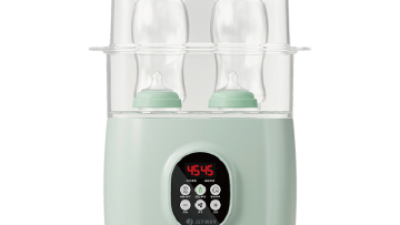
For modern parents, an electric steam baby bottle sterilizer from China offers a practical way to support safer daily feeding routines. Using 100℃ high-temperature steam, this high-performance unit is designed to provide a 99.99% germ-free environment for bottles, breast pumps, pacifiers, and feeding utensils. The U.S. Centers for Disease Control and Prevention (CDC) advises daily sanitizing for infants younger than two months, babies born prematurely, or children with weakened immune systems, making reliable sterilization especially important during early development.
Efficiency is equally valuable after washing. An innovative 360° all-around drying system helps remove moisture from hard-to-reach areas, reducing the need for manual towel drying and helping keep equipment ready for the next feeding. The 6.5 cm wide mouth accommodates fat bottles and other larger baby products, while the organized interior supports convenient loading. In addition, the gentle 45℃ constant-temperature milk warming function helps maintain a suitable serving temperature without excessive reheating. Consistent with public-health guidance emphasizing thorough cleaning, sterilization, and complete drying, this multifunctional appliance combines high-temperature care with everyday convenience for busy households.
FAQS
Clear glass usually allows UVC light to reach more surfaces. Some transparent plastics may also work. Light transmission varies. Colored, translucent, or opaque materials can block important wavelengths. Silicone nipples, valves, and thick collars may create shaded areas. Check the device instructions for approved materials.
Measure the bottle’s height, width, and mouth diameter. A tall bottle may fit inside but stop the lid from closing. Wide-neck bottles need extra space around the rim. Include attached handles, valves, and collars. Small measurement errors can cause annoying loading problems.
No. Wash bottles with detergent and water first. Remove milk residue before the cycle. UVC does not reliably treat covered or dirty surfaces. Openings should face the light source when allowed. A clean bottle gives the light a better chance to work.
Look for an opaque chamber, a secure lid, and a lid sensor. The lamp should shut off when the lid opens. A visible cycle indicator is useful. Overheat protection matters when drying functions operate. A child-resistant control can prevent accidental starts. Check for gaps around hinges.
Treat simple percentage claims cautiously. A useful claim should identify the tested organism, exposure dose, cycle time, and laboratory method. Bottle shadows and residue can reduce performance. Ask whether testing covered real bottle shapes. I would not trust impressive numbers without testing details.
Battery life should match your routine, not only the printed capacity. Test several complete cycles before trusting the indicator. Longer cycles may use more power. Check whether charging during travel is supported. Protect the charging port from moisture. One missed charge can disrupt a busy morning.
Measure your tallest bottle, widest base, and attached parts. Do not rely on product photographs. Crowded chambers may shade caps, valves, or handles. A removable rack can separate items and simplify cleaning. A compact design may look efficient but feel awkward with wide bottles.
Choose clear controls, visible battery warnings, and simple cycle indicators. The interior should wipe clean without trapping moisture. A dependable lid lock improves confidence. Read warnings about direct UVC exposure and wet items. I may prefer a slower device. Predictability matters more than speed.
Conclusion
Choosing the right Uvc Bottle Sterilizer requires more than comparing appearance and price. These devices use ultraviolet-C light to reduce microorganisms on bottle surfaces, nipples, and accessories without water or chemicals. Before buying, check whether the chamber fits your bottle materials, shapes, and sizes, especially wide-neck or tall bottles. Compare the UVC wavelength, lamp or LED output, exposure time, and internal coverage to ensure light can reach all areas rather than only the visible front surface. Reflective interiors and thoughtful bottle placement can improve overall performance.
Safety and convenience are equally important. Look for a secure lid or door sensor that stops UVC exposure when opened, child-resistant controls, clear operating indicators, and reliable heat management. Evaluate battery life, charging options, capacity, cycle duration, drying functions, and ease of cleaning. A dependable Uvc Bottle Sterilizer should match your daily routine, provide consistent coverage, use durable materials, and include clear instructions and maintenance guidance. Choosing based on real bottle needs and verified safety features will help ensure practical, responsible use.