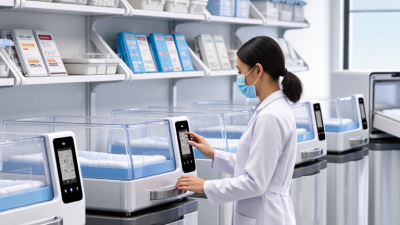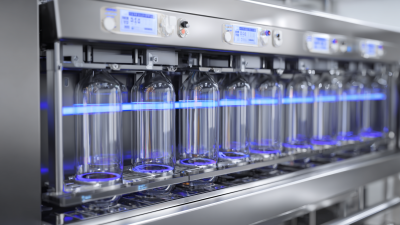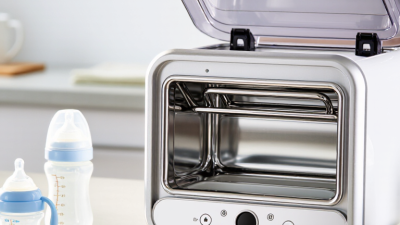
If you're looking for a reliable bulk supplier for baby warmers, it's not just about comparing prices in a catalog. Global buyers really need a few other things too: clear product definitions, proof of actual factory capacity, and a solid, consistent quality record. And here's the tricky part—'baby warmer' can mean a bottle warmer, a portable feeding warmer, or even neonatal equipment. That difference? It can totally change what certifications you need, how testing is done, how it's packaged, and honestly, where your responsibility as a buyer begins and ends.
When sourcing teams know what they're doing, they'll dig into things like heating stability, temperature controls, insulation, and how well the shutdown functions work. Before signing off on a big order, they usually ask for samples first. A good sample test? It should cover warm-up time, surface temp, cable quality, and how it holds up after repeated use. As for suppliers, they ought to offer traceable materials, batch records, clear user instructions, and after-sales support that actually responds. And don't forget regional requirements—you've got to check those separately, since standards can vary quite a bit from one market to another. Honestly, don't just take the factory's word for it. Ask for the current test reports—not just promises. Promises are fine and all, but you really want to see the latest paperwork, right?
If you're working with a bulk supplier for baby warmers, they really should put the basics in writing: minimum order quantities, lead times, spare parts, and private-label options. Clear communication is huge, especially when shipments are crossing multiple time zones. Take brands like Philips Avent, Tommee Tippee, and Dr. Brown's—they show how clear product info can help buyers feel more confident. That said, a big name isn't a substitute for doing your own checks. Some buyers, when they're looking at portable warming options, might also check out a thermos pot Supplier. And honestly? Those products aren't always the same thing. A thermos pot can keep heat in, sure—but it might not actually control the warming temperature.
Truth is, no supplier is perfect. A slick website? It can still hide weak inspection practices. So before buyers start scaling orders, they should keep track of test results, delivery performance, and how complaints get handled. At the end of the day, the strongest sourcing decision comes down to balancing safety, evidence, usability, and commercial terms that actually make sense.
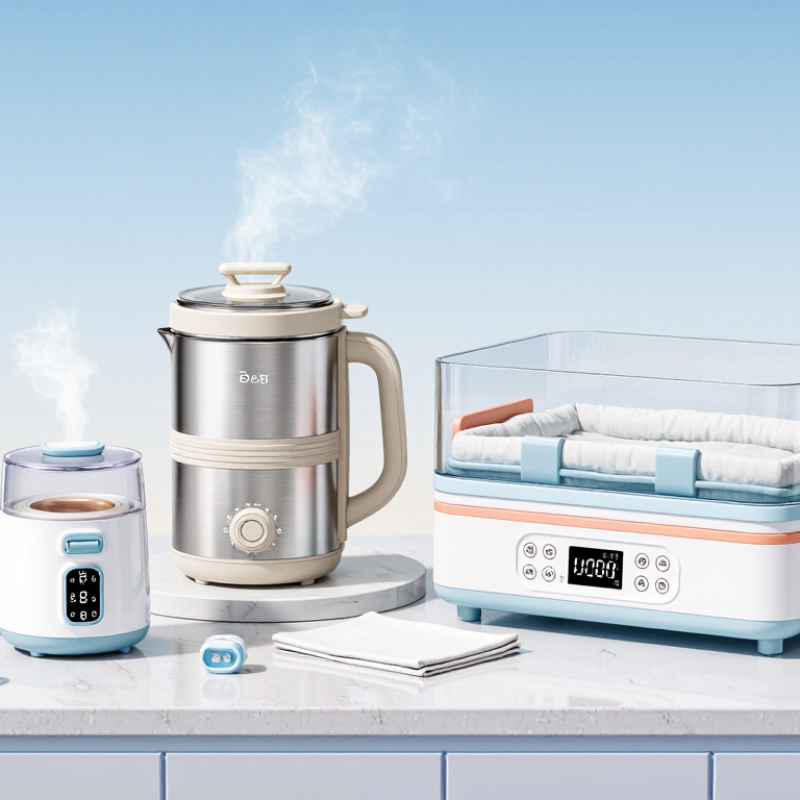
Baby warmers are devices designed to bring milk, formula, or feeding containers to a gentle temperature. They support infant care during night feeds, travel, and busy clinical routines. Common types include water-bath warmers, dry-heating units, and specialized clinical warming systems. Each type works differently. Caregivers should follow the operating instructions and check the liquid before feeding.
A warmer may feel ready while the center remains cooler. Swirl the milk gently, then test a few drops on the inner wrist. Avoid overheating, repeated reheating, and leaving milk inside for long periods. These habits can affect quality and feeding safety. For global buyers, reliable suppliers should provide clear manuals, stable temperature control, material information, and quality inspection records. Electrical safety documents and regional compliance support are also important. Low price alone is not enough.
Tips: Choose a model with automatic shutoff and visible temperature settings. Confirm whether it fits common bottle sizes. Ask about calibration checks, spare parts, packaging protection, and after-sales support. A small design issue, such as a narrow chamber, can slow daily care. Buyers should test samples under real feeding conditions before placing bulk orders. Even careful planning can miss something. Recheck the details.
Baby warmers gently bring refrigerated or frozen expressed breast milk closer to body temperature before feeding. The chart shows CDC-recommended storage windows for expressed breast milk, which help buyers understand when warming equipment may be used during infant-care routines. Milk does not need to be warmed, and microwave heating should be avoided because it can create dangerous hot spots.
Source: U.S. Centers for Disease Control and Prevention (CDC). Freezer value represents approximately 6 months, the recommended best-quality period.
Choosing top baby warmer bulk suppliers requires more than comparing unit prices. A reliable supplier should provide clear specifications for each baby bottle warmer, including heating range, warming time, power requirements, and automatic shutoff behavior. Ask for test reports that match your destination market. Confirm whether materials touching bottles are suitable for repeated household use.
Request a production sample before placing a large order. Test it with glass and plastic bottles, different fill levels, and refrigerated milk. Check temperature consistency at the center and edges of the bottle. A warmer that feels fast may create uneven heating. That detail matters. Inspect controls, cord quality, cleaning access, and packaging strength. Small cracks after shipping can become expensive problems.
Supplier reliability also depends on traceability and communication. Review batch records, inspection procedures, warranty terms, spare-part access, and response times. Ask how defects are handled, not only how products are advertised. A polished sample can mislead. Trial orders may reveal weak cartons, delayed replies, or unstable delivery schedules. Those findings are uncomfortable, but useful. Confirm minimum order quantities and lead times in writing. Keep room for seasonal delays. Bulk purchasing rewards careful evidence, not confident promises.
For global buyers, baby warmers come in several practical forms. The right type depends on clinical use, transport distance, and facility capacity. Radiant infant warmers provide open access during delivery care and routine procedures. They usually include a heated platform, skin-temperature sensor, timer, and visible alarm system. Staff can reach the newborn quickly. That matters during busy treatment periods.
Closed infant incubators create a controlled environment around premature or low-weight babies. They regulate temperature and may control humidity, depending on the configuration. These units need careful cleaning between patients. Heated mattresses offer a smaller and simpler solution for examination rooms or recovery areas. They are easier to move, but they may not replace a full incubator. Portable transport warmers support movement between departments or facilities. Buyers should check battery duration, secure packaging, and shock-resistant construction.
Bulk international orders require more than comparing unit prices. Confirm voltage, plug format, temperature accuracy, alarm behavior, and spare sensor availability. Ask for user manuals, maintenance schedules, factory test records, and staff training materials. Local medical-device registration requirements also deserve early attention. Packaging should protect the warmer from moisture, vibration, and temperature changes during shipping. A low price can look attractive. Yet missing accessories may increase the final cost. Even experienced teams can overlook replacement probes or compatible power adapters. Small details often decide whether a shipment becomes useful equipment or a storage problem.
A practical comparison of baby-warming product categories for international wholesale sourcing, private-label programs, and institutional purchasing.
| Baby Warmer Type | Heating Method | Typical Product Features | Main Advantages | Key Limitations | Bulk Order Requirements to Request | Best-Fit Distribution Channels |
|---|---|---|---|---|---|---|
| Water-Bath Bottle Warmer | Heated water surrounds the bottle and transfers heat gradually. | Adjustable thermostat Bottle basket Heating indicator | Provides relatively gentle and even warming when used according to the instructions. Suitable for many bottle shapes. | Requires water, regular cleaning, and careful handling to reduce mineral buildup and contamination risks. | Compatibility with bottle diameters, heating-cycle control, water-level markings, leakage testing, carton configuration, and destination-market electrical documentation. | Baby-care retailers, maternity stores, e-commerce sellers, and household appliance distributors. |
| Steam Bottle Warmer | Steam produced from a small quantity of water heats the bottle rapidly. | Fast heating cycle Measuring cup Auto shut-off | Usually requires less water and can offer faster heating than a conventional water bath. | Incorrect water quantity or excessive heating time may create hot spots or overheating; operating instructions are important. | Steam-cycle validation, over-temperature protection, water-reservoir design, lid durability, descaling guidance, and multilingual user manuals. | Online marketplaces, specialty baby-product stores, pharmacy chains, and distributor catalogs. |
| Dry-Heat Bottle Warmer | Uses heated air or a heated surface without placing the bottle in water. | No water reservoir Easy loading Digital or dial control | Reduces water handling and may simplify cleaning and routine operation. | Heating uniformity depends on the design, bottle material, bottle size, and positioning inside the unit. | Temperature uniformity tests, compatibility with glass and plastic bottles, cavity dimensions, control accuracy, and surface-temperature safety testing. | Premium baby-care retailers, private-label brands, department stores, and gift-product suppliers. |
| Portable 12 V or USB Warmer | Low-voltage electrical heating through a vehicle adapter, USB connection, or rechargeable battery system. | Travel use Low-voltage input Insulated sleeve | Convenient for travel, vehicles, outdoor use, and locations without a standard household outlet. | Heating speed and performance depend on power output, battery capacity, ambient temperature, and the selected container. | Input-voltage options, plug and adapter configuration, battery transport documentation where applicable, cable durability, electromagnetic compatibility, and charging safety. | Travel retailers, automotive accessory distributors, outdoor-product sellers, and online stores. |
| Insulated Thermal Warmer | Uses thermal insulation to retain the temperature of preheated water or liquid; it does not actively heat. | No electrical power Lightweight Portable | Simple to use, low maintenance, and suitable for travel or emergency carrying when used with appropriate feeding practices. | Cannot raise the temperature of cold contents and gradually loses heat over time. | Heat-retention test method, insulation performance, leak resistance, food-contact material declarations, closure durability, and cleaning instructions. | Travel-product retailers, supermarkets, baby boutiques, and promotional-product distributors. |
| Breast-Milk Warming Unit | Usually uses controlled water-bath or dry-heating technology designed for gradual warming. | Low-temperature programs Defrost function Container compatibility | Designed for controlled warming and thawing of stored breast milk when the manufacturer’s instructions are followed. | Program accuracy, container shape, storage condition, and handling procedure affect the final result. Microwave heating is generally unsuitable for breast milk because it can heat unevenly. | Program-temperature verification, compatibility with storage bags and bottles, timer accuracy, cleaning requirements, and clear storage and handling instructions. | Maternity retailers, lactation-product distributors, hospitals, clinics, and specialized e-commerce channels. |
| Multi-Function Warmer and Sterilizer | Combines warming with steam sterilizing, drying, or bottle-storage functions. | Multiple programs Steam basket Drying cycle | Offers several baby-care functions in one unit and can reduce the need for separate countertop appliances. | Usually has a larger footprint, more components, and more demanding cleaning and maintenance requirements. | Program testing, basket capacity, steam-temperature performance, drying effectiveness, component material safety, spare parts, and packaging drop tests. | Large retailers, baby-care chains, maternity stores, gift registries, and institutional procurement. |
| Commercial or Clinical Warming Equipment | Uses controlled radiant, water-bath, or other specialized heating systems depending on the intended application. | High-duty operation Alarm functions Serviceable design | May support repeated use in healthcare or childcare environments when correctly specified and maintained. | Higher purchase cost, more demanding installation or servicing requirements, and potential medical-device regulatory obligations. | Intended-use classification, applicable medical or electrical standards, calibration procedures, alarm verification, service documentation, warranty coverage, and local registration requirements. | Hospitals, neonatal units, childcare centers, public-sector buyers, and healthcare-equipment distributors. |
Top Baby Warmer Bulk Suppliers for Global Buyers?
How to Evaluate Baby Warmer Manufacturers and Wholesale Suppliers
Choosing a baby warmer supplier requires more than comparing unit prices. Examine the manufacturer’s production experience, quality system, and technical documentation. Ask for product specifications, material details, inspection records, and user manuals before discussing large quantities. Reliable suppliers should explain how they control temperature stability, alarm performance, electrical safety, and cleaning requirements.
Request a physical sample before approving bulk production. Test its controls, display readability, surface finish, cable strength, and alarm response under supervised conditions. Check whether the supplier offers batch traceability and replacement parts. Confirm that each shipment includes appropriate certificates and test reports for the destination market. Do not rely on screenshots alone. Documents should be verifiable and clearly match the supplied model.
A capable wholesale partner also provides realistic lead times, packaging details, and after-sales procedures. Ask how defects are handled and who pays for corrective shipments. Review minimum order quantities carefully. A low price may hide weak support or inconsistent production. That mistake is easy to make. I would also inspect factory communication, because delayed answers often signal future problems. No supplier is perfect, so record every concern and request written clarification before signing a purchase agreement. Safety remains more important than speed, margin, or attractive packaging.
For global buyers, a baby warmer supplier must show more than attractive bulk pricing. Compliance begins with the destination market, electrical system, plug type, and labeling language. Request the applicable test reports before approving a large order. These reports should come from accredited laboratories, not only internal factory checks.
Review electrical safety testing under relevant appliance standards, including insulation, leakage current, overheating protection, and temperature control. A reliable warmer should maintain stable heat without creating hot spots around the bottle. Ask whether the supplier tests empty operation, repeated heating cycles, and abnormal conditions.
The same discipline applies to a baby bottle sterilizer, especially when steam, water, and electricity operate together. Check food-contact materials, odor testing, BPA-related declarations, and clear cleaning instructions.
Traceability is practical, not decorative. Each carton should carry a model number, production batch, rated voltage, importer details, and warning symbols required in the target market. Request certificates for CE, UKCA, FCC, RoHS, or other regional requirements only when they genuinely apply. A certificate alone is not enough. Compare its model number with the product sample and invoice. Ask for factory quality records, calibration dates, inspection photos, and a corrective-action process.
That gap matters. In real sourcing work, suppliers sometimes provide outdated documents or confusing translations. I would test pre-production samples and retain sealed units for comparison, because even a small redesign can change safety performance.
Top Baby Warmer Bulk Suppliers for Global Buyers?
Bulk baby warmer sourcing depends on more than the unit price. UNICEF and WHO reported a 48% global exclusive breastfeeding rate for infants under six months in 2023. This supports demand for flexible feeding equipment, including warmers used at home and during travel. Recent supplier quotations commonly range from US$12 to US$28 per unit for standard models at 500 units. Lower prices may appear at 2,000 units, but packaging, testing, freight, and payment terms can change the final cost. A low quote is not always a saving.
Most factories set minimum orders between 100 and 500 units. Private labeling usually requires printed cartons, logo placement, manuals, and barcode preparation. Basic customization may add US$0.40 to US$2.00 per unit. New molds can cost much more. Ask for samples with milk bottles, temperature measurements, and a timed heating test. Details matter. A supplier may also produce a baby food processor, but that does not prove warmer expertise. Request documented quality controls and destination-market electrical test reports. IEC 60335-based testing is a useful reference for household heating appliances, while importers should verify local requirements independently. Lead times often reach 30 to 60 days after artwork approval. Seasonal delays happen. I would also question suppliers promising every certification immediately, because rushed documentation can hide weak traceability.
Choosing a baby warmer supplier for bulk orders requires more than comparing unit prices. Global buyers should examine shipping experience, product documentation, and response quality before signing a contract.
Ask how the supplier packs each unit for sea, air, or rail transport. Moisture barriers, corner protection, and clear carton labels can reduce damage during long journeys. Request shipping records for similar destinations, including average lead times, port handling details, and procedures for delayed containers. Confirm whether spare parts are packed separately. Small parts often disappear first.
After-sales support should be tested before purchase. Send practical questions about temperature accuracy, replacement sensors, warranty coverage, and remote troubleshooting. A reliable supplier should provide written response times and a clear process for damaged goods. For products such as a baby bottle sterilizer and dryer, ask for operating instructions, cleaning guidance, and safety-related technical files. Do not rely on informal promises.
Use a supplier selection checklist with factory capacity, quality inspections, payment terms, packaging standards, and batch traceability. Request a pre-shipment inspection or an independent inspection report. Check whether production samples match the approved sample. They sometimes do not. That gap deserves attention.
Keep communication records in one shared file. Include agreed specifications, delivery dates, inspection results, and corrective actions. A supplier may appear professional during negotiations but become slow after payment. Test that behavior early with a small trial order. Supplier selection is never perfectly predictable, and experienced buyers still miss warning signs.
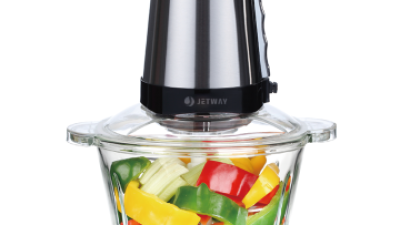
Choosing an electric food processor chopper for baby food preparation requires careful attention to safety, convenience, and control. A practical model should include a BPA-free bowl, a secure locking mechanism, and simple one-touch operation to reduce handling during busy meal times. A 1.8-liter bowl provides enough space to prepare fresh ingredients for the whole family, while a powerful 300W motor can efficiently chop vegetables, cooked meat, and soft fruits. For baby food, always use fresh, properly cooked ingredients and allow them to cool before processing.
A reliable chopper can create smooth purées, soft mashes, and finely minced meals in approximately 10 seconds, depending on the ingredients and desired texture. Its sharp blades should be handled carefully, and the appliance should remain securely assembled before operation. Parents can begin with short pulses to monitor consistency and add suitable liquid when necessary. This makes it easier to prepare age-appropriate meals without overprocessing.
Convenient cleaning is also important when preparing food for infants. Removable parts and an easy-to-wash bowl help maintain good hygiene and prevent food residue from building up. After every use, unplug the appliance, separate the components according to the instructions, and dry them thoroughly before storage. With strong performance, thoughtful safety features, and straightforward maintenance, this type of electric food chopper can support quick, reliable meal preparation for busy families.
It gently warms milk, formula, or feeding containers. It supports night feeds, travel, and clinical routines. Check the liquid before feeding.
Common options include water-bath, dry-heating, radiant, incubator, mattress, and transport models. Each suits different care settings. Choose carefully.
Swirl the milk gently before testing. Place a few drops on the inner wrist. The center may remain cooler.
Look for automatic shutoff, visible temperature settings, stable controls, and clear alarms. Confirm compatible bottle sizes. Small design problems matter.
Confirm voltage, plug format, temperature accuracy, manuals, spare sensors, and factory test records. Request samples for real feeding tests.
Standard models may cost about US$12 to US$28 at 500 units. Packaging, freight, testing, and payment terms change the final cost.
Many factories request 100 to 500 units. Larger orders may reduce unit prices. However, accessories can increase the final expense.
Options may include printed cartons, manuals, barcode preparation, and packaging changes. Basic customization can add about US$0.40 to US$2.00 per unit. New molds cost more.
Lead times often reach 30 to 60 days after artwork approval. Seasonal delays may occur. Recheck the schedule.
Ask for electrical safety documents, material information, quality records, maintenance schedules, and destination-market compliance support. Verify requirements independently.
Baby warmers are essential infant-care devices designed to maintain a stable, comfortable temperature for newborns during feeding, rest, or routine care. For international bulk buyers, selecting the right Baby Warmer Bulk Supplier requires careful attention to heating performance, temperature control, safety alarms, energy efficiency, ease of cleaning, and durability. Available options may include portable warmers, countertop models, bottle warmers, and professional units for healthcare environments, each serving different purchasing needs.
A reliable supplier should demonstrate consistent manufacturing quality, transparent testing documentation, and compliance with applicable safety standards and certifications in the destination markets. Buyers should also compare pricing, minimum order quantities, customization, packaging, and private-label services before placing an order. Shipping capacity, lead times, spare parts availability, warranty coverage, and responsive after-sales support are equally important. A practical supplier checklist can help global buyers assess product quality, communication, logistics, and long-term cooperation potential before making a final decision.