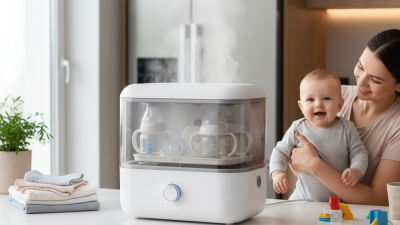
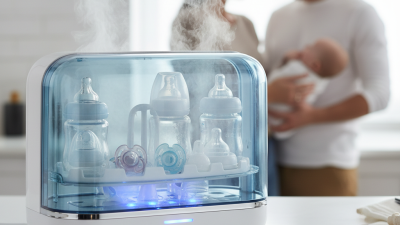
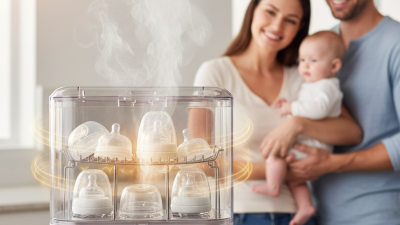
When it comes to keeping your baby’s feeding essentials safe, finding a reliable bottle sterilizer is pretty much a must. A good sterilizer can do wonders—it gets rid of harmful bacteria and gives parents that much-needed peace of mind. There are so many brands out there, each with different features, so it's really about finding the one that fits your lifestyle. Some of the popular choices are Philips Avent, Munchkin, and Dr. Brown’s—each bringing their own perks to the table.
When you're choosing, don’t forget to think about how easy it is to use and clean. Some sterilizers heat water to produce steam, while others might use UV light. Just a heads up—while lots of models claim they're super effective, results can actually vary in real life. So, it’s worth reading reviews and testimonials to get the scoop from other parents who’ve tried them out. Reliable sources often reveal any downsides or things to watch out for.
As we go through the top 10 bottle sterilizers, keep in mind that no single option is perfect. Some might take longer than others, or take up more space—stuff to consider based on your needs. It’s all about making an informed choice that balances expert advice with what works best for you and your baby. At the end of the day, your little one's health should always come first. Trust your instincts and do your homework—that’s the best combo for peace of mind.
Understanding the Importance of Bottle Sterilizers for Infant Health
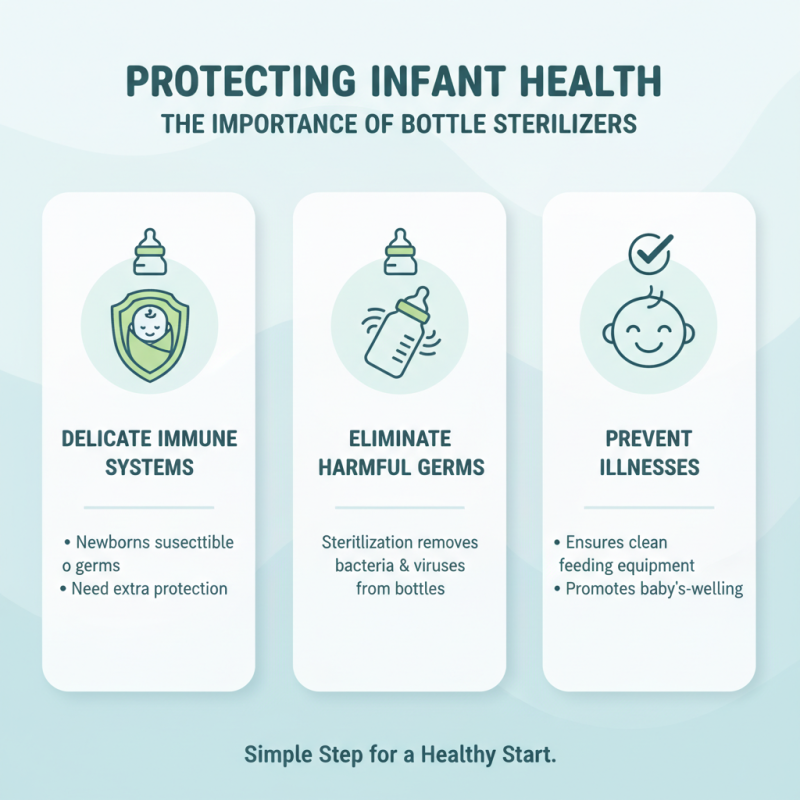
When it comes to infant health, understanding the role of a baby bottle sterilizer is essential. Newborns have delicate immune systems, making them more susceptible to germs. Regularly sterilizing feeding bottles helps eliminate harmful bacteria and viruses. This simple act can protect your baby from illnesses that may arise from unclean feeding equipment.
Parents often feel overwhelmed with options. The many designs and functions of bottle sterilizers can be confusing. Some may worry about the effectiveness of certain methods. Steam sterilization is both quick and reliable, but there are also chemical options that require careful use. Finding the right approach depends on your lifestyle and baby’s needs. Consider sharing your experiences with other parents. This insight can be invaluable in choosing a reliable baby bottle sterilizer.
Cleaning bottles can feel like a tedious chore, yet it is a necessary one. It should not be taken lightly, especially in the early months of your baby’s life. A thorough sterilization routine ensures that your little one receives safe nutrition. Take time to reflect on your habits. Are you consistently using a sterilizer or relying on quick rinses? Assessing your practices can lead to better choices for your baby’s health.
Types of Bottle Sterilizers: An Overview of Options Available
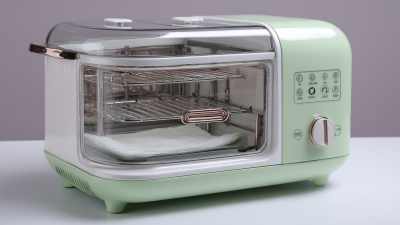
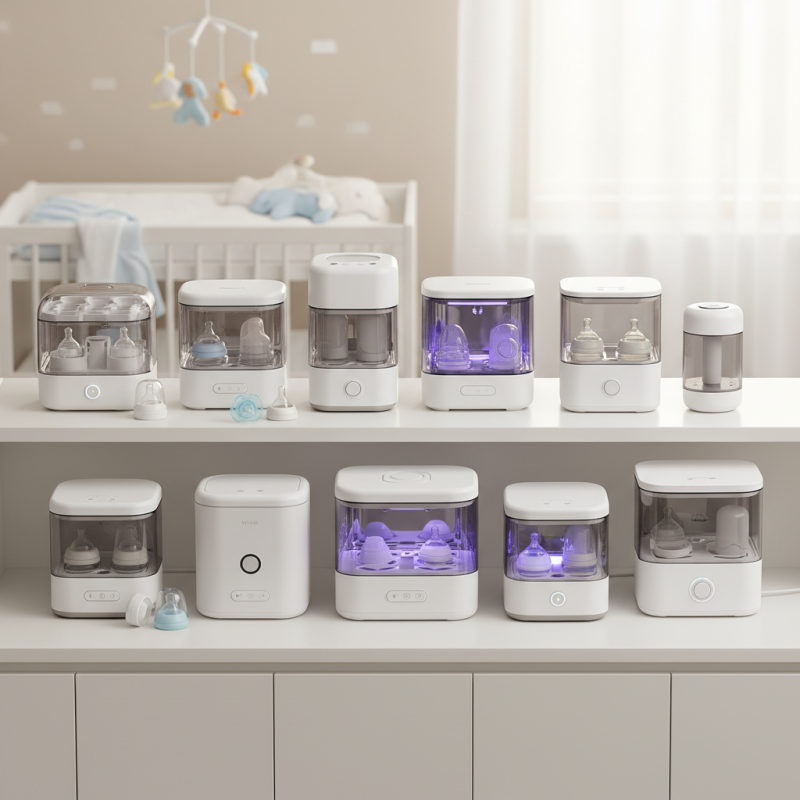
When choosing a bottle sterilizer, understanding the types available is essential. There are several options on the market, each with unique features. Steam sterilizers use heat and steam to kill bacteria effectively. They can be quick and efficient. Some parents prefer microwave sterilizers for their convenience. Simply place the bottles inside and microwave for a few minutes.
Another popular choice is UV sterilizers. These use ultraviolet light to eliminate germs. They are easy to operate and often double as storage solutions. A bottle sterilizer and dryer combo is gaining attention for its all-in-one capability. After sterilizing, these units dry the bottles, saving time and space.
Each method has pros and cons. Steam sterilizers require regular cleaning. Microwave options can be cumbersome and may not suit all bottles. UV sterilizers are effective but can be costly. It's crucial to evaluate your needs. Consider how often you'll use it and factors like available space. This decision can greatly affect your baby feeding routine.
Key Features to Consider When Choosing a Bottle Sterilizer
When selecting a bottle sterilizer, there are key features to consider. One important aspect is the
sterilization method. Options include steam,
UV, and microwave. Steam sterilizers are popular for their effectiveness.
They can kill 99.9% of harmful germs. UV sterilizers,
on the other hand, use light to eliminate bacteria. Each method has its pros and cons.
Capacity is another vital factor. Some sterilizers
can hold multiple bottles at once, ideal for busy parents. Others may only fit one or two, which could be limiting.
Look for a model that meets your family’s needs. Easy operation is also crucial.
Some sterilizers offer one-button operation, making them user-friendly.
Cleaning and maintenance shouldn’t be overlooked. Removable trays and streamlined designs make cleaning easier.
Consider the materials used as well. BPA-free plastic is a safer choice.
Furthermore, think about size. If kitchen space is limited, a compact model may be necessary. Keep these
considerations in mind for a reliable and efficient option.
Step-by-Step Guide to Using Different Types of Bottle Sterilizers
When it comes to baby feeding, ensuring bottle hygiene is crucial. Many parents opt for bottle sterilizers to eliminate harmful bacteria. Different types of sterilizers exist, each with unique methods. For steam sterilizers, fill the reservoir with water. Place bottles and nipples upside down. Turn on the machine and wait. The steam will reach high temperatures, killing germs effectively.
For microwave sterilizers, you need a microwave-safe container. Add water to the sterilizer and insert the bottles. It typically takes just a few minutes. While convenient, you must monitor the time carefully. Overdoing it can warp or damage the bottles.
Another popular option is the cold water sterilizer. This method involves using a sterilizing solution. Mix the solution with cold water in a basin. Submerge the bottles completely. Let them soak for about 30 minutes. It's a straightforward method, but you must ensure you rinse the bottles well afterward. Each sterilization option has its pros and cons, prompting parents to reflect on which best suits their lifestyle.
Top 10 Bottle Sterilizers for Safe Baby Feeding
| Type |
Capacity |
Sterilization Time |
Power Source |
Additional Features |
| Electric |
6 bottles |
8 minutes |
AC |
Auto shut-off |
| Microwave |
4 bottles |
5 minutes |
NA |
Compact design |
| Steam |
8 bottles |
10 minutes |
AC |
Multiple sterilization levels |
| Cold Water |
6 bottles |
30 minutes |
NA |
No electricity needed |
| UV |
5 bottles |
15 minutes |
AC or battery |
Portable |
| Travel |
2 bottles |
10 minutes |
Battery |
Compact & Lightweight |
| Dishwasher |
10 bottles |
Cycle time depends on dishwasher |
NA |
Convenient cleaning |
| Combination |
8 bottles |
12 minutes |
AC |
Versatile usage |
| Electric Portable |
3 bottles |
7 minutes |
Battery or AC |
Ideal for on-the-go |
| Self-Sterilizing |
1 bottle |
5 minutes |
NA |
Easy to use |
Top 10 Bottle Sterilizers Reviewed and Compared in Detail
When it comes to baby feeding, ensuring cleanliness is crucial. Bottle sterilizers help eliminate harmful bacteria. In this detailed review, we analyze various models, including the popular mam bottle sterilizer. Each sterilizer has its unique features, making it important to assess what suits your needs best.
For instance, many sterilizers offer quick cycles, taking as little as five minutes. Some use steam, while others rely on UV light. A compact design can fit well in small kitchens. However, consider the ease of use; some models may require complex setups that can frustrate tired parents. Safety features are essential too, as they prevent overheating.
While many sterilizers boast impressive capabilities, effectiveness may vary. Not every product lives up to its claims. User reviews often reveal mixed experiences. The need for regular cleaning of the sterilizer itself is sometimes overlooked, and this can lead to contamination. Always ensure that your choice can facilitate both convenience and reliable hygiene.
Top 10 Bottle Sterilizers for Safe Baby Feeding
Safety Tips for Using Bottle Sterilizers Effectively
Using a feeder bottle sterilizer effectively is crucial for ensuring your baby's safety. Here are some tips to help you maximize its benefits.
Always read the instructions that come with your sterilizer. Different types work in varied ways. Some may need water, while others require none. Understanding these differences can prevent operational mishaps. Overfilling the water compartment can lead to ineffective sterilization.
Keep your sterilizer clean. Use hot soapy water for the external parts. A dirty sterilizer can harbor bacteria, counteracting its purpose. It’s important to regularly check for any residue or build-up that could interfere with the sterilization process.
Always allow bottles to cool before handling. This can prevent burns or accidents. When you remove the items, place them on clean, sanitized surfaces. Avoid touching sterilized bottles with unwashed hands to maintain a sterile environment.
Lastly, have a backup plan. Sometimes, these machines can malfunction. Keeping a manual method, like boiling, can be a lifesaver. It’s important to reflect on these practices and adjust if something doesn’t feel right.
Maintaining and Cleaning Your Bottle Sterilizer for Longevity
When using a bottle sterilizer, maintaining it is essential for long-lasting performance. Regular cleaning prevents the buildup of residue. It is vital to unplug the device before cleaning. Use a soft cloth or sponge to wipe the exterior. For the interior, ensure it's free from any leftover liquids. Once a week, check the water reservoir for any signs of mold or mineral deposits. Taking time for this upkeep can save you costly repairs later.
Keep your sterilizer in a dry area to avoid moisture-related issues. Inspect the parts for wear and tear regularly. Corroded or damaged components may affect its efficiency. If you notice any cracks, consider replacing the parts. Pay attention to the user manual for specific cleaning instructions. These guidelines often include helpful tips not commonly known.
Staying consistent with cleaning routines can enhance reliability. However, don't be afraid to experiment with different cleaning methods. Some may work better for your particular device. Regular reflection on the cleaning process will help you identify what works best. This proactive approach ensures safe baby feeding while promoting the durability of your sterilizer.
FAQS
: Sterilizing bottles helps remove harmful bacteria and protects infants with delicate immune systems.
There are steam, microwave, and cold water sterilizers, each with unique methods and advantages.
Fill the reservoir with water, place bottles upside down, turn on the machine, and wait for the steam to work.
Yes, they are convenient and typically sterilize bottles in just a few minutes.
Monitor the time carefully to avoid warping or damaging the bottles during sterilization.
Mix sterilizing solution with cold water, submerge bottles for about 30 minutes, then rinse thoroughly.
Yes, not all sterilizers work as claimed; user experiences can differ significantly.
Regular cleaning is crucial to prevent contamination and ensure the sterilizer remains effective.
Evaluate your lifestyle, bottle type, ease of use, safety features, and size of your kitchen.
Discussing experiences with other parents can provide valuable information on choosing the right sterilizer.
Conclusion
Bottle sterilizers play a crucial role in ensuring the safety and health of infants by eliminating harmful germs and bacteria from feeding bottles. This article emphasizes the importance of using a bottle sterilizer, especially for new parents seeking to provide a clean feeding environment. It explores various types of bottle sterilizers available on the market, including steam, UV, and microwave options, highlighting their unique features and benefits.
Furthermore, the article offers a comprehensive guide on choosing the right bottle sterilizer and provides a step-by-step approach to effectively using different models. Safety tips for effective usage and maintenance practices are also discussed to ensure the longevity of the sterilizer. By comparing and reviewing the top 10 bottle sterilizers, this article serves as a valuable resource for parents aiming to make informed decisions for their child's health and safety.