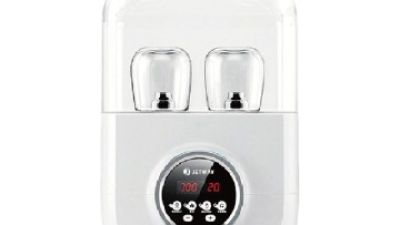
Lately, the Uvc Bottle Sterilizer has been getting a lot of buzz for its pretty cool take on keeping things hygienic. Basically, it uses ultraviolet light to zap away harmful germs from different kinds of bottles. So, it’s kinda like a modern solution to the old worries about cleanliness and safety, you know?
What’s really interesting about this device is the science behind it. It uses UV-C rays to basically disable bacteria and viruses, which a lot of folks find more reliable than just washing with soap and water. But hey, don’t forget—if you’re gonna get one, you gotta follow the instructions carefully. Skipping steps or ignoring the guidelines isn’t gonna give you the same protection.
Of course, not everyone’s sold on it. Some people still have their doubts, and that’s understandable. Not all Uvc Bottle Sterilizers out there are made equally—some are better quality than others. So, it’s really worth doing your homework, reading reviews, and sticking to reputable brands. Asking around or getting opinions from experts can make a big difference. Otherwise, you might not get the full benefits you’re hoping for from this nifty tech.
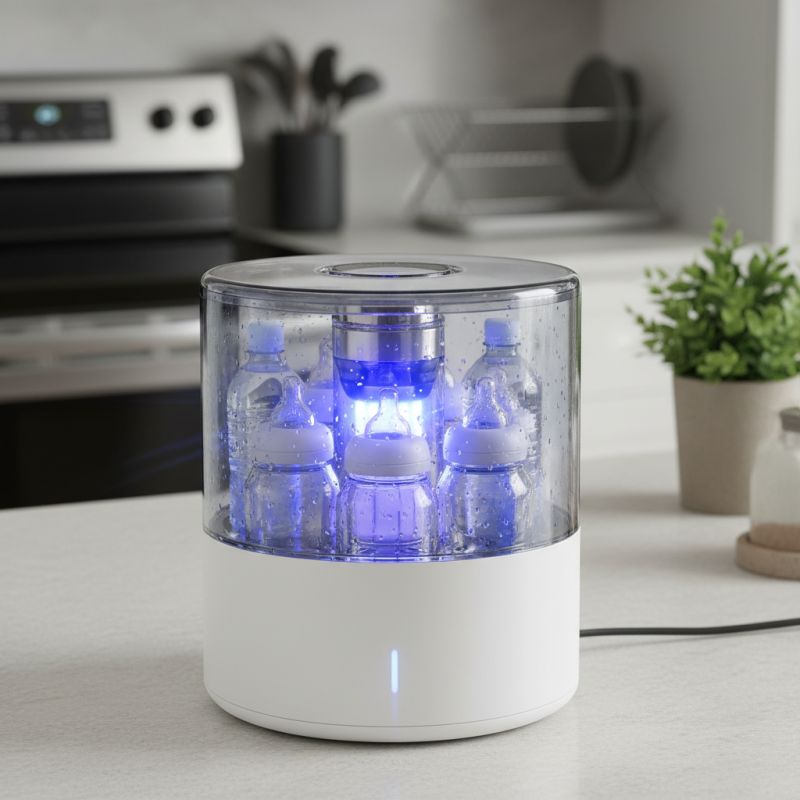
What is a UVC Bottle Sterilizer?
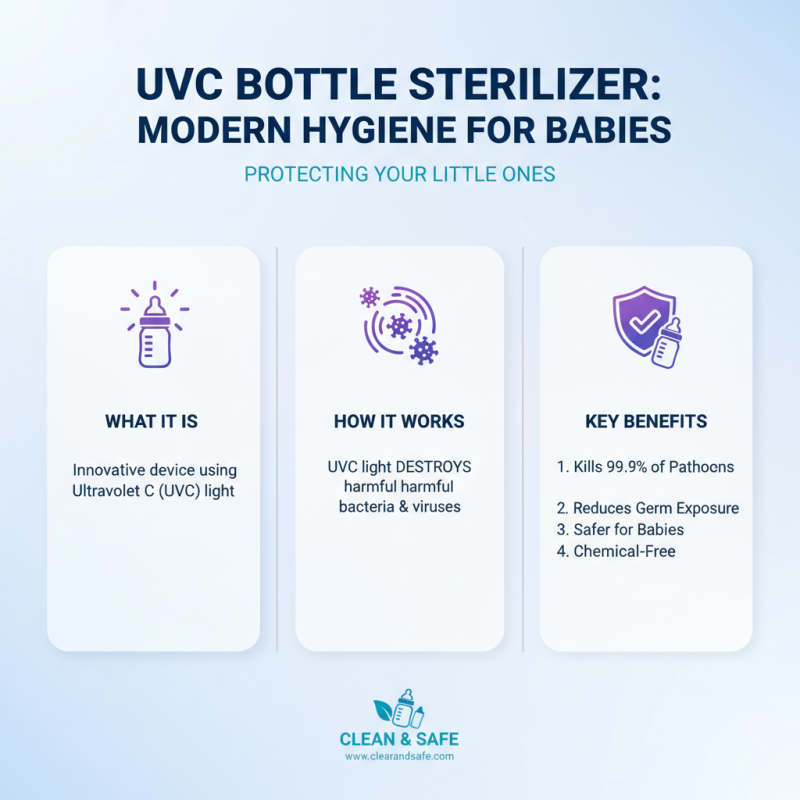
UVC bottle sterilizers are innovative devices designed to eliminate harmful microorganisms from baby bottles and other containers. Using ultraviolet C (UVC) light, these sterilizers effectively reduce exposure to bacteria and viruses, creating a safer environment for your little ones. Studies report that UVC light can kill up to 99.9% of pathogens, making it a reliable choice for modern hygiene.
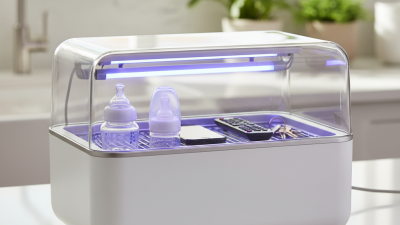
Operating a UVC sterilizer is straightforward. Simply place the bottle inside the device, close the lid, and start the cycle. Many units complete the process in under 10 minutes. This efficiency is essential for busy parents. However, improper use can lead to lingering germs if items are not placed correctly. Always refer to the manufacturer's guidelines to ensure optimal results.
Tip: Make it a habit to regularly check the cleanliness of the UVC lamp and the interior of the sterilizer. Even the best devices can accumulate dust or residue. Regular maintenance ensures they function effectively. Remember, a UVC bottle sterilizer is a valuable tool, but it does not replace the importance of thorough manual cleaning beforehand. Relying solely on it may lead to overlooked germs. Stay vigilant!
Historical Development of UVC Technology
UVC technology has a rich historical background. It originated in the early 1900s as scientists discovered its germicidal properties. Researchers first used UVC light to kill bacteria in water. Over time, its use expanded to air purification and surface sterilization. This technology gained traction during pandemics, showcasing its effectiveness against various pathogens.
The development of UVC technology continues to evolve. Innovations enhance its safety and accessibility. UVC lamp designs have improved while minimizing harmful exposure risks. Today, UVC is commonly found in hospitals, laboratories, and homes. The growing demand for sterilization methods highlights its importance in infection control.
Tip: When using UVC devices, follow the manufacturer's guidelines for safe operation. Exposure to UVC light can cause skin and eye irritation.
While UVC technology is effective, it also has limitations. It cannot penetrate opaque surfaces. Regular cleaning is still necessary for thorough disinfection. Adapting your sterilization routine to include UVC can optimize safety during flu seasons or public health crises.
Tip: Ensure surfaces are clean before UVC exposure for maximum effectiveness. Dust and dirt can block the light, reducing its impact.
How UVC Light Kills Microbes in Bottles
UVC light has gained attention for its effectiveness in killing microbes.
According to a report by the World Health Organization, UVC light can deactivate up to 99.9% of certain bacteria and viruses.
This high efficiency makes it a practical choice for sterilizing bottles.
How does it work? UVC light has a short wavelength, which penetrates the outer membranes of microbes.
This disrupts their DNA, preventing any further reproduction.
In the context of bottles, using UVC sterilizers can ensure that contaminants do not linger.
Studies suggest that many common pathogens, such as E.coli and Salmonella, can survive in water bottles for days.
The application of UVC light offers a solution to this problem. However, there are limitations.
For instance, UVC light's effectiveness is reduced in the presence of organic matter.
This means bottles should be clean before sterilization to maximize results.
Another consideration is the potential exposure to skin and eyes.
UVC light can cause irritation and damage. Thus, proper safety measures are essential when using these devices.
Data indicates that frequent use can lead to a significant decrease in microbial load.
Yet, reliance solely on UVC may not provide complete assurance of sterility.
Regular cleaning and maintenance should not be overlooked.
Design Features of UVC Bottle Sterilizers
UVC bottle sterilizers are becoming essential in today's hygiene-conscious world. These devices utilize UVC light to eliminate harmful pathogens. According to a study published in the American Journal of Infection Control, UVC light can reduce microbial loads by up to 99% within minutes. This technology is especially vital for baby bottles and water containers.
Design features of UVC bottle sterilizers often prioritize user convenience and efficiency. Many models are compact and portable, making them easy to use anywhere. Some have built-in safety features, like automatic shut-off mechanisms, which enhance reliability. High-quality Uvc Sterilizers ensure adequate exposure time, maximizing sterilization potential. However, not all designs effectively eliminate all bacteria. It's crucial to follow usage instructions diligently.
Furthermore, practical details matter when choosing a UVC sterilizer. Adjustable settings allow for customized sterilization cycles based on container size. Transparent components enable users to monitor the sterilization process. Despite these advancements, the effectiveness of UVC sterilizers can vary widely. Users might experience inconsistency if they don’t clean the device regularly or maintain proper alignment with the items being sterilized. Understanding these nuances is essential for achieving the best results with a UVC sterilizer.
Step-by-Step Guide on Using a UVC Bottle Sterilizer
Using a UVC bottle sterilizer can be straightforward if you follow these steps carefully. Start by cleaning the bottle with soap and water. It helps remove visible dirt and residue. Rinse it well to ensure that no soap remains. After this, set the bottle upside down to dry.
Next, place the bottle inside the UVC sterilizer. Ensure that it fits comfortably and doesn’t touch the sides. Close the lid securely. Most sterilizers have a timer setting. Choose a duration, typically between five to ten minutes. This is crucial for effective sterilization. During this period, the UVC light will work to eliminate bacteria and viruses.
Once the cycle is complete, open the lid cautiously. The interior will be hot. Allow the bottle to cool down for a short while. It’s essential to handle it carefully to avoid burns. Remember to test your sterilizer periodically to ensure it functions correctly. Regular maintenance is key to effective use. Testing helps identify any issues that might arise. Adhering to this guide ensures you
Sterilize Uvc effectively and keep your bottles safe!
Safety Considerations When Using UVC Sterilizers
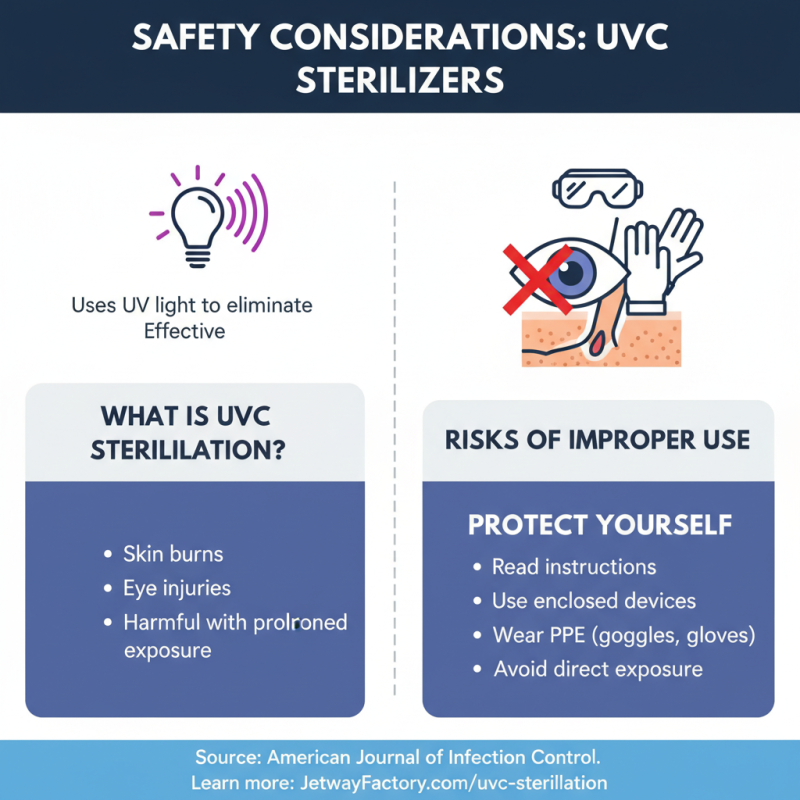
When considering UVC sterilizers, safety is paramount. Uvc Sterilization involves using ultraviolet light to eliminate harmful microorganisms. While effective, users must understand the risks associated. Prolonged exposure to UVC light can harm skin and eyes. According to research from the American Journal of Infection Control, UVC can cause skin burns or eye injuries if not used properly.
It is crucial to follow safety guidelines when operating UVC sterilizers. Protective eyewear should be worn during use, and it’s advisable to limit skin exposure. Always sterilize in a controlled environment. A study by the Centers for Disease Control and Prevention indicates that improper usage can lead to accidental exposure, resulting in potential health hazards.
Users must also be aware of the limitations of UVC sterilization. It does not penetrate through materials like plastic or glass. Additionally, it is less effective on surfaces that are not clean. Regular maintenance and proper placement of UVC sterilizers can optimize performance. Safety and effectiveness depend on using UVC technology responsibly and knowledgeably.
Comparing UVC Sterilizers with Other Sterilization Methods
UVC sterilizers have gained traction in recent years. They utilize ultraviolet light to eliminate harmful microorganisms. This method stands out when compared to traditional sterilization techniques. For instance, studies show that UVC light can kill up to 99.9% of bacteria and viruses on surfaces within minutes. This effectiveness is backed by research published in medical journals.
In contrast, many methods rely on heat or chemicals. Heat sterilization can damage sensitive items. Chemical methods often leave residues. These residues might pose health risks, particularly for baby products. The bottle sterilizer offers a no-residue solution, making it safer for daily use.
**Tip:** Always check the UVC sterilizer's specifications. Ensure it emits light at the correct wavelength to guarantee effectiveness. Keep in mind different materials may react differently under UVC light. This variability can affect the sterilization process. Not all items can withstand UVC exposure.
When considering sterilization methods, think about your specific needs. UVC sterilizers are efficient and quick but may not be suitable for all situations. Reflect on these factors to make informed decisions.
What is Uvc Bottle Sterilizer and How Does It Work? - Comparing UVC Sterilizers with Other Sterilization Methods
| Sterilization Method |
Effectiveness |
Time Required |
Safety |
Cost |
| UVC Sterilization |
99.9% effectiveness against bacteria and viruses |
5-10 minutes |
Safe for daily use; no harmful residues |
Moderate ($50-$150) |
| Heat Sterilization |
Reliable for solid materials |
30-60 minutes |
Can be unsafe for heat-sensitive items |
Low ($20-$50) |
| Chemical Sterilization |
Effective but can leave residues |
Varies (up to 24 hours) |
Potential health risks if not handled properly |
Moderate to High ($100+) |
| Filtration Sterilization |
Effective for particulate matter |
N/A (continuous process) |
Generally very safe |
Variable ($100-$1000) |
The Importance of Safe Feeding: Insights from Recent Reports on BPA-Free Multi-Function Baby Bottle Sterilizers and Warmers
The importance of safe feeding practices for infants is underscored by recent reports highlighting the efficacy of BPA-free multi-function baby bottle sterilizers and warmers. These devices not only ensure proper cleaning through sterilization but also integrate functionalities such as drying, milk warming, and food steaming, catering to the diverse needs of parents. According to industry data, using BPA-free materials significantly reduces the risk of harmful chemical exposure, which can be especially critical during a baby’s early developmental stages, when they are most vulnerable.
One of the key features in modern baby bottle sterilizers is the ultra-quiet operation. This attribute has become essential for parents, as nocturnal feeding routines can disrupt both the baby’s and parents' sleep. An ultra-quiet sterilizer allows parents to efficiently prepare safe feeding solutions without causing unnecessary disturbances. Moreover, one-touch operation is a growing trend, designed to save parents time and simplify the sterilization process. Research indicates that user-friendly designs help in reducing stress levels among caregivers, making it easier for them to manage daily tasks while ensuring their infant's safety.
With ongoing advancements in baby care technology, the availability of multifunctional sterilizers signifies a shift towards safer, more efficient feeding practices. As more parents become aware of the potential risks associated with harmful chemicals, the demand for BPA-free products is expected to rise. Investing in reliable sterilization equipment not only promotes the health of infants but also eases the responsibilities of care for parents, highlighting a crucial development in modern childcare.
FAQS
: UVC light penetrates microbial membranes and disrupts their DNA, preventing reproduction.
UVC light can deactivate up to 99.9% of certain bacteria and viruses, like E.coli and Salmonella.
Protect skin and eyes from UVC exposure to avoid irritation or damage.
UVC effectiveness decreases in the presence of organic matter, making clean bottles essential.
No, designs vary widely. Some may not effectively eliminate all bacteria or require regular maintenance.
UVC sterilizers offer a quick, no-residue solution, making them safer for sensitive items like baby products.
No, relying solely on UVC may not guarantee complete sterility. Regular cleaning is necessary.
Follow usage instructions, maintain device cleanliness, and monitor item alignment during sterilization.
Chemical methods can leave residues that may pose health risks for specific products.
Yes, different materials may react differently, affecting the sterilization process. Choose wisely.
Conclusion
A UVC Bottle Sterilizer is a device designed to eliminate harmful microbes from baby bottles and other containers using ultraviolet (UVC) light. The technology has evolved over the years, with UVC light proven to effectively kill bacteria and viruses through a process that disrupts their DNA. Modern UVC Bottle Sterilizers incorporate various design features aimed at maximizing efficiency and safety, making the sterilization process convenient for users.
Using a UVC Bottle Sterilizer involves a straightforward step-by-step process, ensuring that bottles are placed correctly and exposed to the light for the appropriate duration. However, it is critical to adhere to safety considerations when operating these devices, as UVC light can be harmful to skin and eyes. Furthermore, UVC sterilizers offer a distinct advantage over traditional sterilization methods, providing a chemical-free and quick alternative to keeping baby bottles hygienic and safe for use.