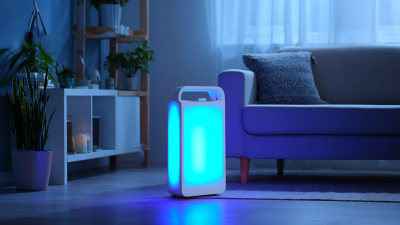
In today’s homes, keeping things healthy really matters. You’ve probably heard about UV sterilizers — they’ve become pretty popular because they actually do a good job at knocking out nasty germs. I read somewhere that, according to the World Health Organization, about 1 in 10 people deal with unsafe health practices every year. That really highlights why having reliable sterilization options at home isn’t just a luxury, it’s a necessity.
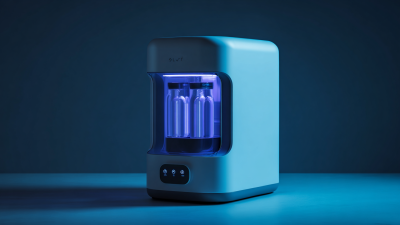
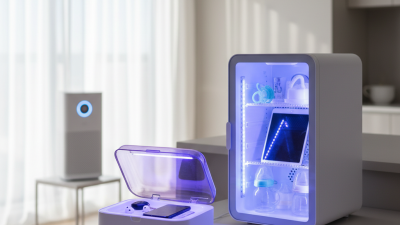
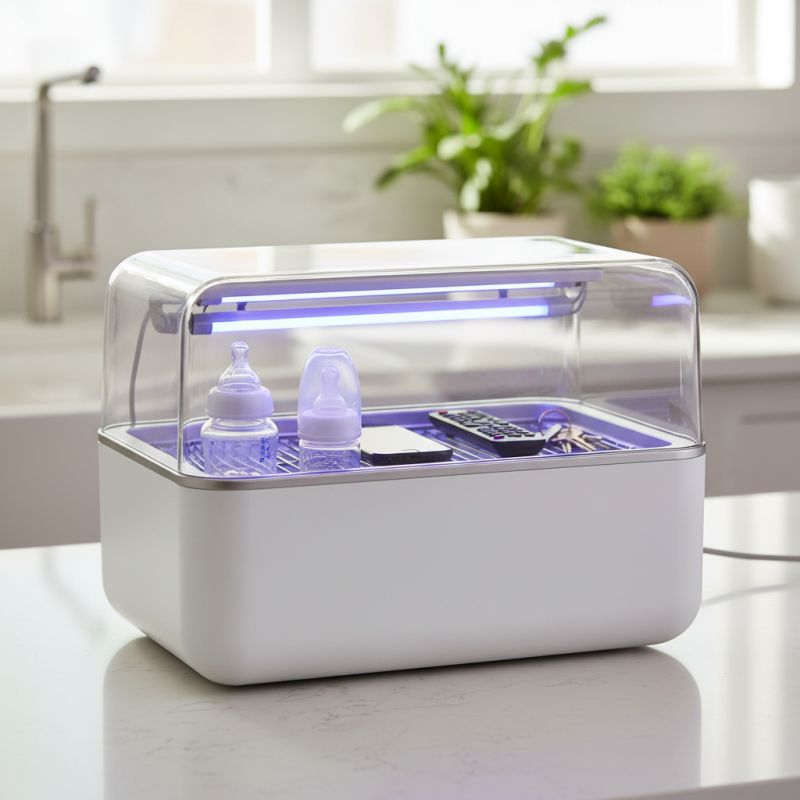
Turns out, UV light can wipe out up to 99.9% of bacteria and viruses on surfaces and objects — pretty impressive, right? For instance, a bottle sterilizer using UV tech can help make sure your baby’s bottles and other household stuff are germ-free. And honestly, many of us forget how dirty our phones or remote controls can get. We use them all the time, but often skip the sterilizing part, which is kind of a big deal.
That said, not all UV sterilizers are a slam dunk. Some might not work as well as they claim, giving you a false sense of security. So, it’s really worth investing in a good quality UV sterilizer — it could make all the difference in managing your home’s health. Just take a minute to think about the items you use every day — are they truly safe? Sometimes, the key is simply making sure you’re doing a good job with sterilization practices.
Understanding UV Sterilization: A Home Health Essential
In today's world, ensuring a healthy home environment is crucial. UV sterilization offers a modern solution for this need. UV light kills bacteria and viruses effectively. It’s a powerful method of disinfection. Many families are turning to this technology for peace of mind. A baby bottle sterilizer is an essential tool for new parents. It provides added protection for infants, whose immune systems are still developing.
Using a UV sterilizer in your home can simplify daily routines. Just place items inside, and let the device do the work. This method is quick and efficient. However, it requires proper usage and maintenance. Keeping the UV light clean is important for effectiveness. Skipping this can reduce its sterilization power.
It’s easy to overlook these details in our busy lives. The convenience of UV sterilization can lead to complacency. Families might rely too heavily on the technology. Still, understanding its capabilities and limits is vital. Regular checks and a thoughtful approach ensure a safer home environment. Embracing UV sterilization is a step forward, but it should be part of a broader plan for health and hygiene.
The Science Behind UV Light and Microbial Elimination
UV light has been a significant tool for disinfecting environments. It effectively eliminates bacteria, viruses, and fungi. According to a study published in the American Journal of Infection Control, UV-C light can kill up to 99.9% of pathogens on surfaces within minutes. This makes it an invaluable resource for maintaining home health.
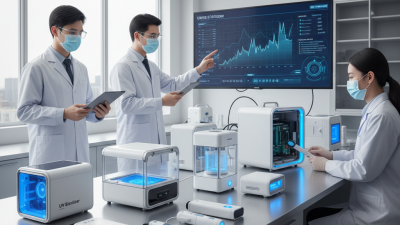
The mechanism of action is straightforward. UV light damages the DNA and RNA of microorganisms, rendering them unable to replicate. This process disrupts their lifecycle and leads to their death. Research from the Centers for Disease Control and Prevention indicates that exposing surfaces to UV light significantly reduces microbial contaminants. Yet, not all UV sterilizers are created equal. Many consumers underestimate the importance of a thorough cleaning before UV exposure.
However, it's essential to note that UV sterilization isn't foolproof. Shadows and obstructions can limit its effectiveness. A 2021 report from the World Health Organization showed that certain pathogens can survive under inadequate exposure. Regular monitoring and maintenance are essential for achieving optimal results. While UV sterilizers offer substantial benefits, relying solely on this method isn't advisable. Combining it with conventional cleaning practices ensures a healthier living environment.
Statistical Evidence: Effectiveness of UV Sterilizers in Homes
Recent studies show that UV sterilizers can significantly improve home health. These devices use ultraviolet light to eliminate harmful bacteria and viruses. In households, this technology may reduce the risk of infections, particularly from surfaces that are frequently touched. A study indicated that UV sterilizers could kill up to 99.9% of germs on various surfaces, making it a reliable option for families.
Moreover, the use of a bottle sterilizer and dryer is particularly crucial for homes with infants. Babies are vulnerable to infections, and keeping their bottles germ-free is vital. Using UV technology, these sterilizers can quickly and effectively clean baby bottles without the need for harsh chemicals. In addition, convenience plays a big role. Busy parents can sanitize bottles safely and easily while multitasking. However, some families might question if this technology is truly necessary. Evaluating the evidence can help in making informed choices.
While UV sterilizers have great potential, they are not a silver bullet. Regular cleaning and good hygiene practices are still essential. UV sterilization should complement these steps, not replace them. Households should be mindful of over-reliance on technology. Balancing both sanitization methods can promote better overall health.
Comparative Analysis: UV Sterilizers vs. Traditional Cleaning Methods
When considering home health, the choice between a UV
Sterilizer
and traditional cleaning methods is crucial. Traditional methods often rely on surfaces and liquids that may not reach every hidden corner. For instance, wiping down a countertop might miss the small crevices where germs hide. This gap can lead to misleading perceptions of cleanliness.
In contrast, UV sterilizers use light to eliminate pathogens effectively, penetrating those hard-to-reach areas. The process is quick and efficient. Just a few minutes of exposure can reduce germs significantly. However, some may question whether it is enough alone. A UV sterilizer should complement regular cleaning, not replace it. Relying solely on UV methods might overlook visible dirt or contaminants.
Many households enjoy the convenience of a UV sterilizer. It simplifies the cleaning process. Still, there’s a learning curve. Users may find they need to adjust their cleaning habits. Neglecting to clean surfaces beforehand can limit the sterilization effectiveness. It's essential to find a balance. A holistic approach ensures a healthier home environment, combining both techniques for optimal results.
Key Health Benefits of Using UV Sterilizers at Home
Maintaining a healthy home environment is crucial. A
UV sterilizer
can help achieve this goal. It uses ultraviolet light to eliminate harmful bacteria and viruses.
This process is quick and chemical-free. You can use it on various surfaces, such as
countertops and doorknobs.
One notable benefit of UV sterilizers is their efficiency.
They can sanitize items like phones,
keys, or even toys
in just a few minutes. This means you can easily maintain cleanliness in your daily life.
Regular use can significantly reduce the risk of illness. However, it is essential to remember
that UV sterilizers are not a complete replacement for traditional cleaning methods.
Tips: Always follow the manufacturer’s instructions for
optimal results. Keep the sterilizer in a convenient location for frequent use. And remember,
while UV light is effective, it cannot reach hidden spots. Therefore, combine sterilizers
with regular cleaning practices. This way, you ensure a healthier home. Strive for balance
between technology and traditional methods for the best outcome.
Best Practices for Implementing UV Sterilization in Daily Life
Implementing UV sterilization in daily life can enhance home health. The technology is gaining popularity, but many still underestimate its benefits. UV sterilizers can effectively eliminate harmful germs and bacteria from various surfaces. They are especially useful for high-touch items like smartphones, keys, and remote controls.
Tips: Place a UV sterilizer near your entryway. This way, you can easily sanitize items as soon as you come home. Go for a model that is easy to use and portable. Remember that proper positioning matters. Ensure that the device gets enough exposure to the surface to work effectively.
Regular use of UV sterilizers can change habits. However, relying solely on UV light isn't ideal. Continue cleaning surfaces with soap and water. UV sterilization should complement, not replace, traditional hygiene methods. It's crucial to integrate these practices seamlessly into routines for better health outcomes.
Importance of UV Sterilization in Home Health
Considerations for Selecting an Effective UV Sterilizer for Home Use
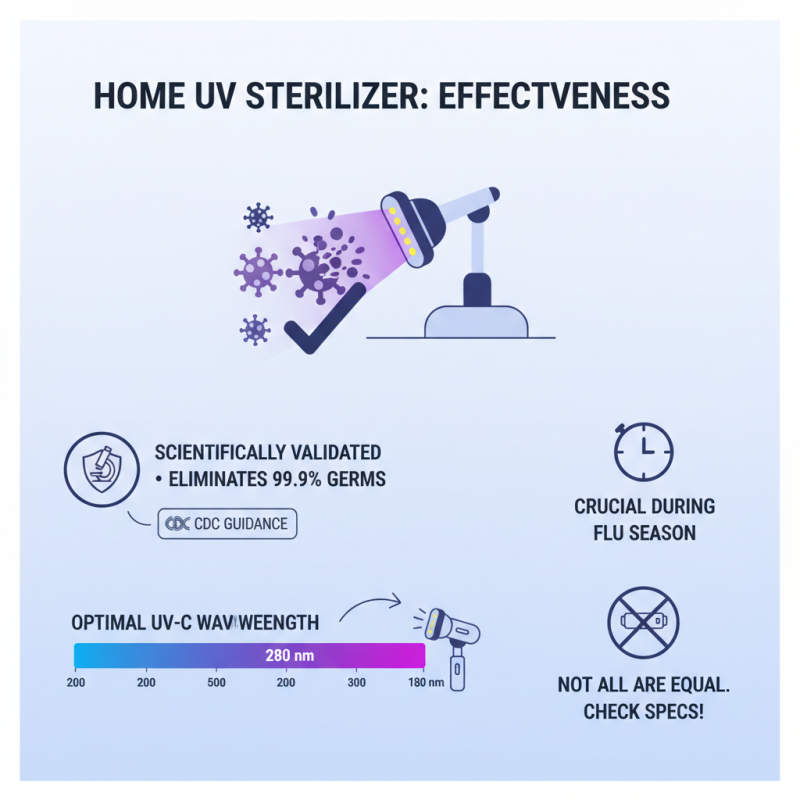
When considering a UV sterilizer for home use, effectiveness is key. Look for a model that has been scientifically validated. According to the CDC, UV light can effectively eliminate up to 99.9% of harmful bacteria and viruses. This is crucial, especially during flu seasons. It’s important to know that not all UV sterilizers are created equal. Pay attention to the UV-C wavelength. A range between 200-280 nm is typically the most effective for disinfection.
Tips: Always verify the sterilizer's specifications. If it's designed to clean items like bottles and sterilizer, make sure it can handle different shapes and sizes.
Another consideration is the time it takes to sterilize. Some devices may require only a few minutes, while others might take longer. For instance, a thorough cycle often lasts around 10-15 minutes, sufficient for effective sterilization. Look for timers or safety features that minimize risk during operation.
Tips: Keep a clean schedule. Regular use can ensure a healthier home environment. Be mindful of how often you clean your sterilizer; it can accumulate dust or residue over time.
The Ultimate Guide to Choosing the Best Portable Bottle Warmer and Sterilizer for Your Newborn's Needs
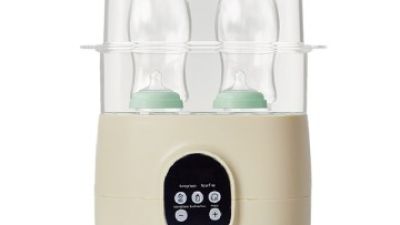
When it comes to caring for your newborn, ensuring the cleanliness of feeding equipment is paramount. The ultimate guide to choosing the best portable bottle warmer and sterilizer emphasizes the importance of a reliable sterilization method. A high-temperature steam sterilizer is designed to eliminate 99.9% of harmful bacteria, viruses, and germs that can linger on baby bottles, nipples, and breast pump parts. This feature is especially crucial for parents of newborns, who have immune systems that are still developing.
Portable and compact by design, the ideal baby bottle sterilizer can fit up to four standard or wide-neck bottles at once. This allows for fast sterilization, which is a significant time-saver for busy parents. Additionally, a safety-conscious auto-shutoff feature helps ensure that the device powers down after completing its cycle, minimizing any risk of overheating. The BPA-free and FDA-compliant materials reassure parents that they are making a safe choice for their children. Cleaning the sterilizer is hassle-free, requiring no harsh chemicals, making it an essential addition to any parent's toolkit when it comes to prioritizing their baby’s health, whether at home or on the go.
FAQS
: This product aims to enhance daily activities and improve user experience significantly.
Follow the instructions provided. Ensure proper handling to achieve optimal results.
The product is made from various durable and lightweight materials for convenience.
Yes, when used as directed. Misuse may lead to unintended consequences.
Yes, but be mindful of environmental factors that could impact its performance.
Regularly wipe with a damp cloth. Avoid harsh chemicals to prolong its life.
Contact customer support for assistance. Be ready to provide details about the problem.
Yes, consistency is key. Experiment with various settings or modes for improvement.
Look for visible signs or feedback. Initial delays can be normal; patience is necessary.
Reflection on your usage could help. Adjust your approach if needed for better efficiency.
Conclusion
In today's health-conscious world, the need for effective home sterilization methods has become increasingly important, making the UV Sterilizer an essential tool. Understanding how UV sterilization works reveals its capability to eliminate harmful microbes through the power of ultraviolet light, which disrupts their DNA and renders them inactive. This method offers a significant advantage over traditional cleaning techniques, as statistical evidence highlights its superior effectiveness in achieving higher levels of disinfection in home environments.
Key health benefits of utilizing a UV Sterilizer at home include a reduced risk of infections and allergens, promoting a safer living space. By integrating best practices for UV sterilization into daily routines, households can enhance their overall hygiene. When selecting an effective UV Sterilizer, considerations such as size, wavelength, and safety features become critical, ensuring that families benefit from this innovative technology. Ultimately, embracing UV sterilization contributes to improved health and wellbeing for everyone at home.