Leave Your Message
Nowadays, making sure our homes are safe and healthy for our loved ones, especially for parents looking after little ones, has never been more important. At Foshan Nanhai Jetway Import and Export Co., Ltd., we get it—parenting comes with its own set of challenges, and with 24 years under our belt in maternal and infant care appliances, we’ve learned a thing or two.
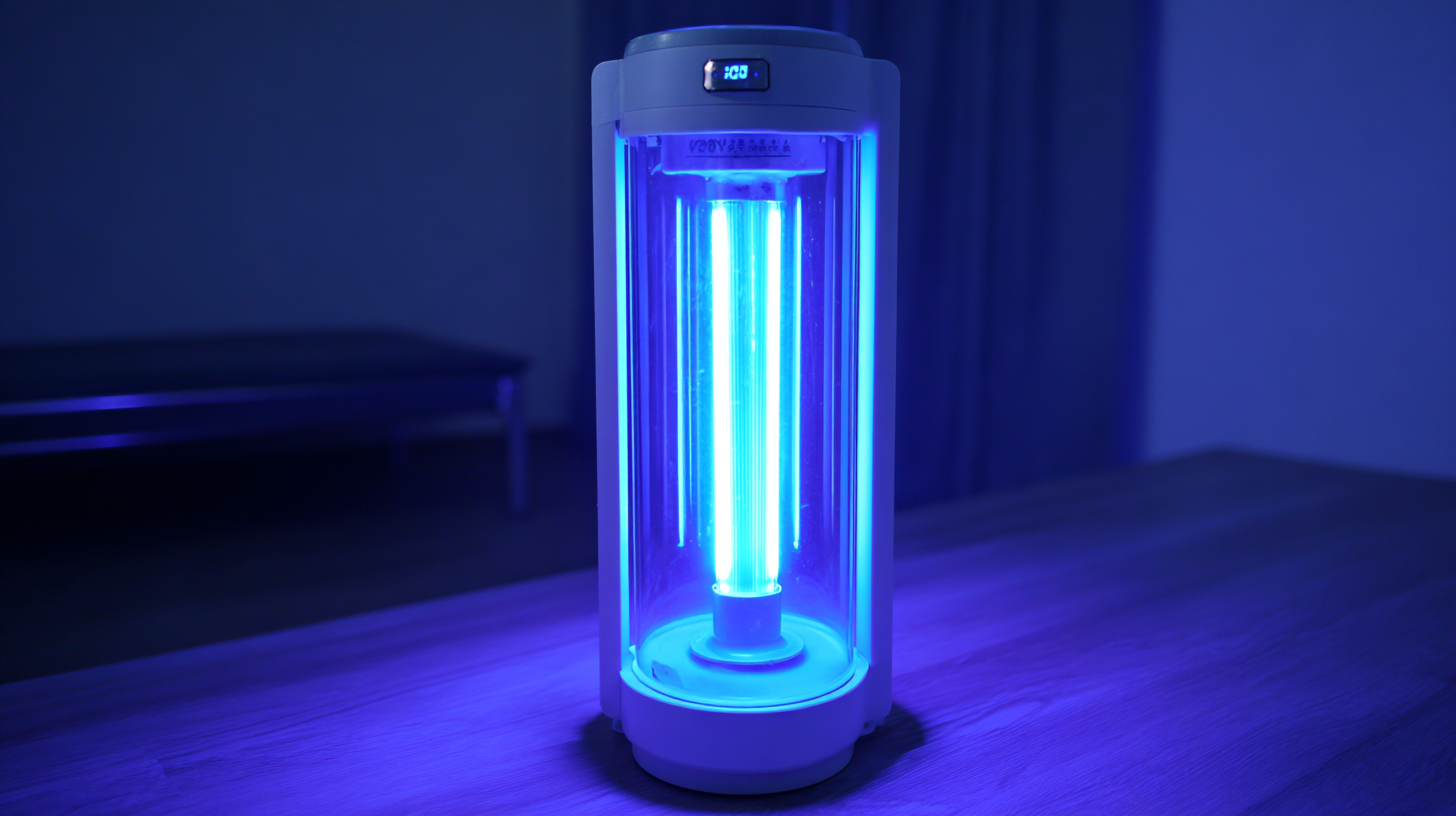
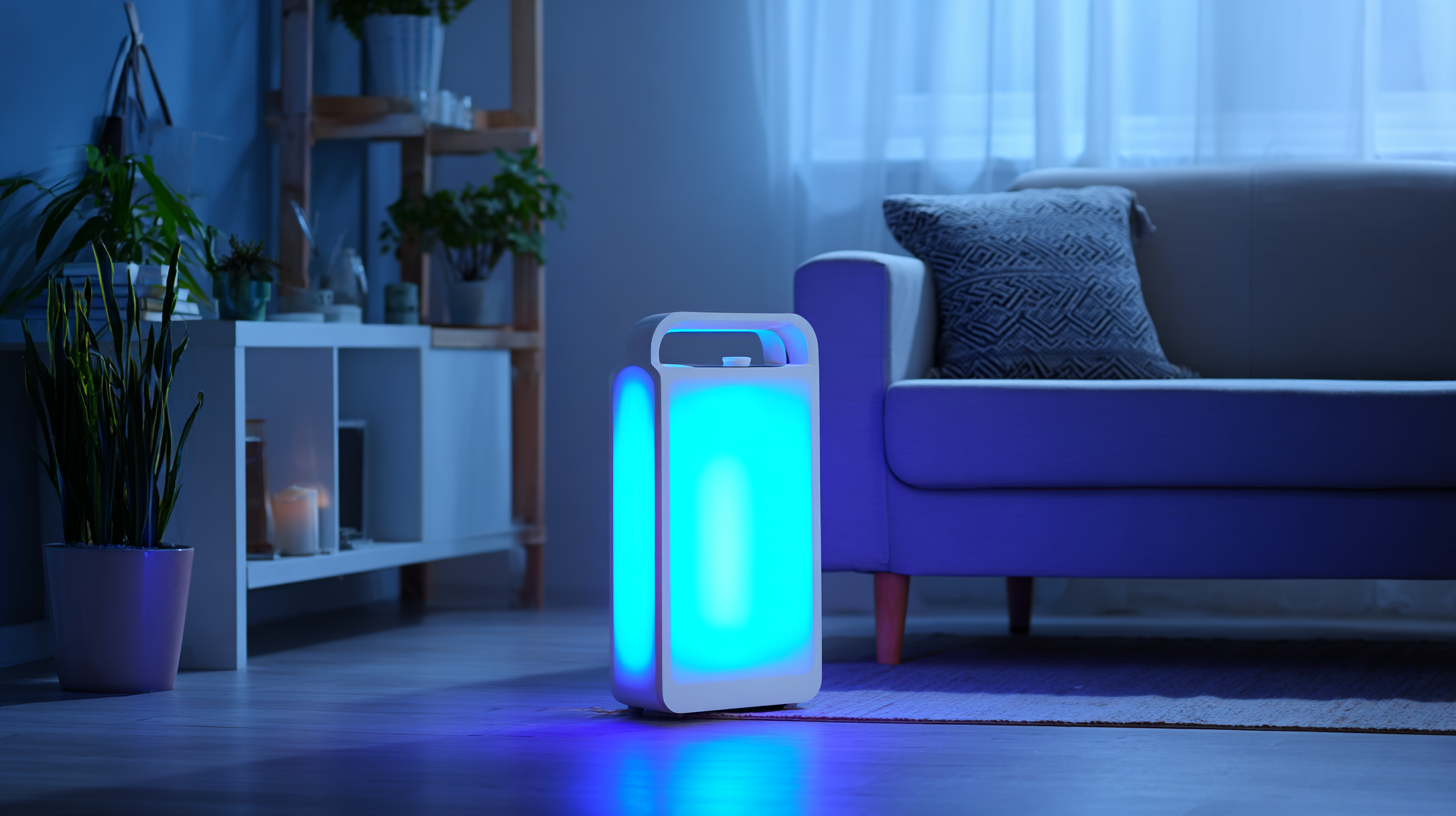 One of the coolest upgrades in home safety lately is UV sterilizers—they’re great for zapping away nasty germs and bacteria from everyday stuff like baby bottles or toys. Understanding how these gadgets work can really help parents feel more confident about keeping their homes hygienic. In this article, I’ll break down how UV sterilizers function and why they’re becoming such an essential part of making our homes safer, especially as we focus on bringing the latest technology into parenting. We’re all about creating smarter, safer solutions for families—because reducing worries at home is what it’s all about, right?
You know, ultraviolet (UV) light has really become quite the game-changer when it comes to fighting germs and pathogens, especially given everything we've been through with COVID-19. It kills bacteria, viruses, and fungi by messing with their DNA or RNA—no need for nasty chemicals. Studies show that germicidal UV, including this newer version called far-UV, can wipe out about 99.9% of germs in indoor spaces. Pretty impressive, right? But here’s the thing—if you don’t handle UV devices properly, it can cause some unwanted issues, like polluting indoor air or even posing health risks from unsafe radiation levels. So, it’s not just a magic bullet; you’ve gotta use it carefully.
Even though UV disinfection works really well, it’s not exactly everywhere—in homes or public spots just yet. A lot of folks are a bit wary because of safety worries. For example, some UV sanitizers you find on the market can be dangerous if you’re not careful—they can cause skin burns or eye injuries if misused. That’s why companies like Foshan Nanhai Jetway Import and Export Co., Ltd. are working hard to blend their years of experience with innovation to develop safer, more reliable products, especially for moms and little ones. When used responsibly, UV disinfection can definitely help make our homes healthier for the whole family.
| UV Light Type | Wavelength (nm) | Effectiveness | Applications | Safety Precautions |
|---|---|---|---|---|
| UVA | 315-400 | Less effective against germs | Tanning beds, some sterilizers | Minimal direct exposure to skin |
| UVB | 280-320 | Moderately effective | Vitamin D synthesis, some UV lamps | Can cause skin burns |
| UVC | 200-280 | Highly effective against bacteria and viruses | Water purification, surface disinfection | Avoid direct exposure; can cause skin damage |
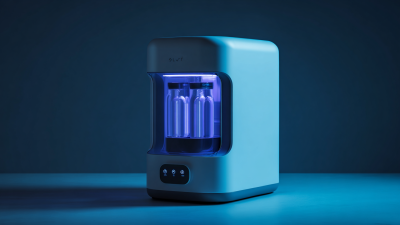
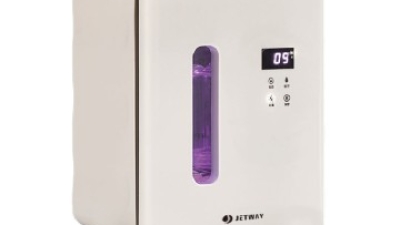
Choosing the right baby bottle sterilizer and dryer is crucial for ensuring your infant's health and well-being. With the increasing awareness of hygiene and safety in baby care, investing in a reliable sterilizer can significantly reduce the risk of infections. One of the standout options available is the UVC Baby Bottle Sterilizer, designed to keep your baby’s feeding gear germ-free. Its stainless steel inner tank not only resists rust but is also easy to clean, making maintenance a breeze for busy parents.
This sterilizer features an extra-large window that allows you to monitor the sterilization process easily, giving you peace of mind. Powered by four mercury-free lamp beads, it effectively kills 99.9% of bacteria, ensuring that your baby's bottles, pacifiers, and other feeding items are safe for use. Moreover, its auto-drying function prevents mold from forming, further enhancing the safety of your infant's feeding products. With stainless steel racks providing ample space, this compact yet highly effective device is a perfect addition to any nursery, promoting optimal health for your baby.
: UV light is a form of electromagnetic radiation that damages the DNA or RNA of microorganisms, effectively killing bacteria, viruses, and fungi without using harsh chemicals.
Germicidal ultraviolet light (GUV), including far-UV, can eliminate up to 99.9% of pathogens in indoor environments according to research.
Improper use of UV devices can lead to indoor air pollution and health risks, including skin and eye injuries.
UV sterilizers can be categorized into handheld devices, countertop models, and integrated systems within HVAC units.
Important features include intensity, wavelength, safety mechanisms, and adjustable intensity settings to tailor the disinfection process.
Devices operating at a wavelength of 254 nanometers typically achieve optimal disinfection levels.
Follow the manufacturer's guidelines for distance and exposure time, ensure direct line-of-sight to surfaces, and rotate objects for thorough disinfection.
While highly effective against many bacteria and viruses, UV sterilizers may not penetrate through surfaces or eliminate all types of pathogens.
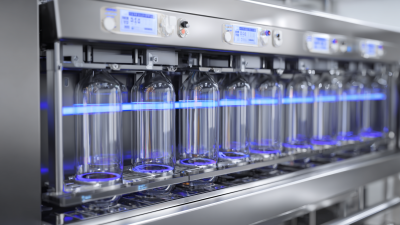
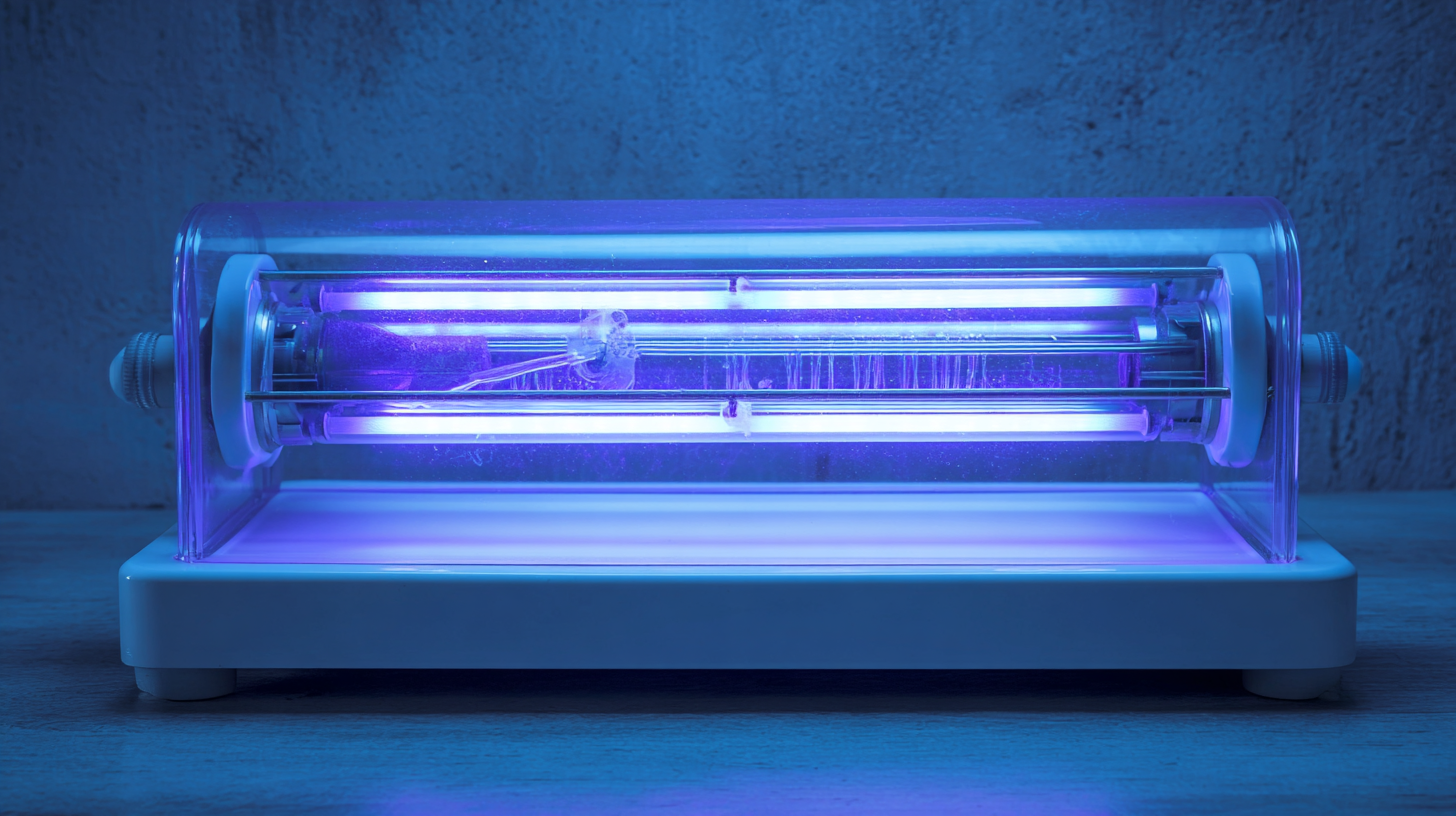
Key design features include the arrangement of UV bulbs and the cabinet structure that improves disinfection capacity for various applications.
Look for models with built-in safety features, such as automatic shut-off functions, to prevent radiation exposure and ensure safe operation.
In today’s world, keeping your home safe and clean is more important than ever, and UV sterilizers are becoming pretty essential for that. It’s good to understand how UV light works to kill germs — kinda like the science behind it helps you use these gadgets the right way. When you're picking out a UV sterilizer, it’s worth looking into different types and features so you get one that really fits your needs. And don’t forget, using them properly and taking care of them can make a big difference in how long they last and how well they work.
At Foshan Nanhai Jetway Import and Export Co., Ltd., we’re all about making life easier and safer for families, especially when it comes to moms and little ones. We believe that adding smart UV sterilizers into everyday routines can really help cut down on germs, making your home a healthier place for everyone. So, by following some simple tips and making these devices part of your daily life, you’re doing a lot to protect your loved ones and keep your home sparkling clean.